Winter Range Loss Isn't a Myth — It's the Spec Sheet Lie Automakers Won't Print
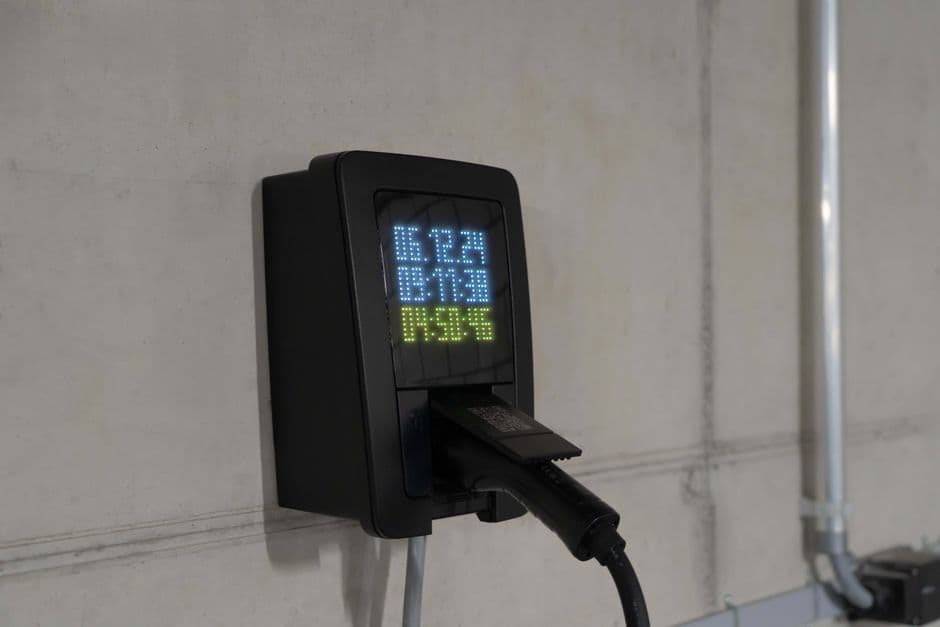
EPA range numbers rarely survive a cold snap. Here's why the gap between advertised and actual winter range is the tradeoff no window sticker mentions.
The first time I watched an EV's range estimate drop by triple digits before I'd even left the driveway, I figured something was broken. Nothing was broken. That's just what a cold morning does to a battery, and it's the part of the EV pitch that never makes it onto the window sticker.
EPA range figures are measured in a lab, at a controlled temperature, using a driving cycle that has nothing to do with a real commute in January. That's not a conspiracy — it's how EPA testing has worked for gas cars too. But gasoline doesn't care if it's 20°F outside. A lithium-ion battery does, and the effect is big enough that independent testing groups have built entire businesses around measuring it.
The number automakers don't want you to see
Recurrent, a company that tracks real-world EV battery and range data, has published research showing winter temperatures can meaningfully cut into an EV's usable range, with the size of the loss varying by vehicle and how cold it actually gets. AAA has run its own cold-weather range testing and found range drops when temperatures fall, plus additional loss when cabin heating is running rather than just the battery sitting cold. Norway — a country that is basically one giant EV cold-weather lab thanks to its adoption rates and climate — has produced similar findings through NAF (the Norwegian Automobile Federation), which conducts annual winter range tests on dozens of EV models side by side.
None of that is a scandal. Batteries are chemistry, and chemistry slows down in the cold — that's true of your phone, your cordless drill, and your car. The scandal, if there is one, is that the EPA sticker on the window doesn't say "by the way, this number assumes it's not winter."
Why cold actually hurts range
There are two separate things happening, and reviewers who only talk about horsepower tend to blur them together.
First, the battery itself gets less efficient at low temperatures — the internal chemistry is sluggish, so you get less usable energy out of the same pack, and charging speed on DC fast chargers slows down too. Second, and often bigger, you're now running a resistive cabin heater (or a heat pump, if the car has one) that has to warm both the air and, on many EVs, the battery itself before you can charge efficiently. Gas cars get cabin heat for free, as waste heat off the engine. EVs have to make that heat from the same battery that's trying to move the car.
That second part is where a heat pump earns its keep. It's more efficient at pulling ambient heat into the cabin than a straight resistive element, similar to how a heat pump in your house beats a space heater on efficiency. Not every EV has one, and it's exactly the kind of unglamorous spec — like turning radius or how loud the tires are at 70 mph — that gets skipped in favor of 0-60 numbers.
What this actually means for buying an EV
If you're shopping for an EV and you live somewhere winters get genuinely cold, the EPA number on the sticker is a best-case scenario, not a planning number. That doesn't mean don't buy the car. It means build in a buffer, the same way you'd plan for worse gas mileage on a car with a tiny tank if you lived somewhere with no gas stations for a hundred miles.
Practically, that means: look at real-world winter data from sources like Recurrent or AAA for the specific model you're considering, not just the window sticker. Check whether the car has a heat pump, since that's a meaningful comfort-and-range feature that some trims skip to hit a lower price point. And if your daily driving is close to your car's rated range even in summer, winter is where that margin disappears first.
The fix isn't complicated — it's just not happening
The obvious solution is a second range figure on the window sticker, similar to how gas cars already show separate city and highway numbers. The EPA already asks manufacturers to test in different conditions for other purposes; a cold-weather range estimate isn't a technical leap, it's a disclosure choice. Norway's NAF tests already do something like this publicly for the market there, and American buyers deserve the same transparency instead of hunting through owner forums to find out how their specific car actually behaves at 15°F.
Until that changes, the fix is on the buyer: don't take the EPA number as gospel, especially if you're cross-shopping between a car with a heat pump and one without, or between packs of similar size from different automakers. The gap between what's promised and what you get isn't a flaw in EVs as a technology. It's a flaw in how that technology gets marketed — and it's the kind of boring, unsexy detail that actually decides whether you make it to work on a cold morning.