Why Xbox Preservation on PC Matters More Than Any Upscaled Port
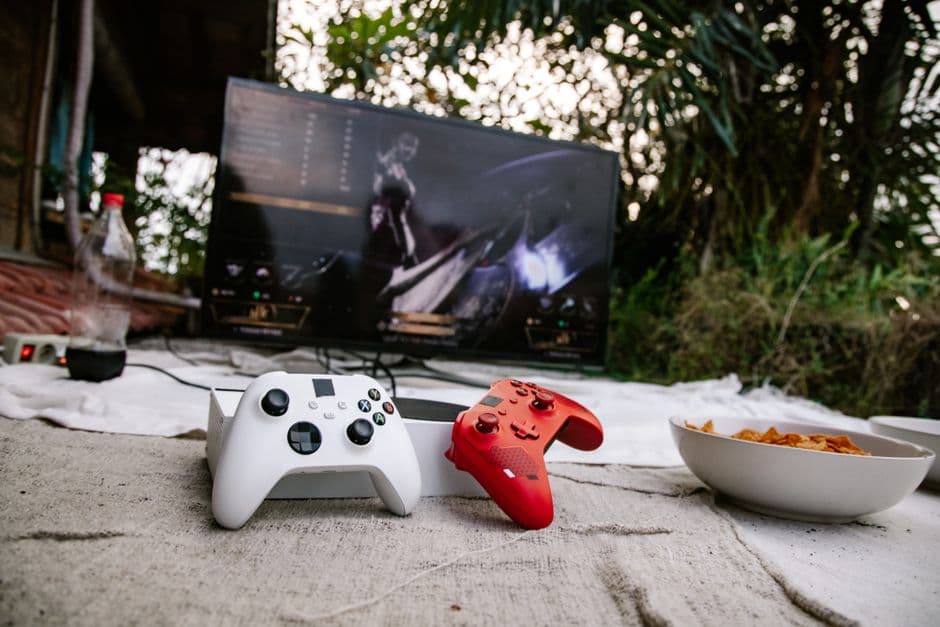
Microsoft has the keys to gaming history. If they bring original Xbox titles to PC, they must respect the players' right to mod, back up, and own their files.
I still have my original translucent green Xbox controller buried in a bin in my garage. It is an ergonomic nightmare, a plastic brick that feels like it was designed by someone who had only seen a human hand in a diagram. Yet, when I think about Crimson Skies: High Road to Revenge or the original MechAssault, that clunky controller is the key to a specific, irreplaceable era of gaming.
Microsoft has spent years cultivating a robust backward compatibility program on the Xbox Series X|S, often using machine learning to boost resolution and frame rates for older titles. But as a PC gamer at heart, the real frontier isn't the console; it's the platform where these games could live forever. If Microsoft moves to bring its legacy library to the Windows ecosystem in earnest, the win isn't just about playing old games on new rigs. It’s about whether they will finally treat these titles as software that belongs to the user, rather than a service that belongs to the cloud.
The Preservation Paradox
We often talk about game preservation as a high-minded academic pursuit, but for those of us who grew up with a disc tray and a memory card, it’s much simpler: I want the game to work when the servers go dark.
The current state of "backward compatibility" on consoles is a bit of a black box. You insert a disc or download a digital entitlement, and a piece of proprietary software runs an emulation layer. It’s impressive, but it’s closed. You don't get to touch the files. You don't get to see how the code breathes. On PC, the culture is fundamentally different. We expect access to our save files, our configuration folders, and, most importantly, the ability to tinker.
When Microsoft brings games like Halo: The Master Chief Collection to the PC via the Microsoft Store or Steam, it shows a willingness to play by the rules of the platform. However, the true test for future legacy releases—the original Xbox back catalog—is whether they will be distributed as "walled garden" apps or as fully realized PC ports that respect the platform's history of modding.
The Modder’s Tax
If you look at the most successful legacy releases on PC, they almost always succeed because they leave the door cracked for the community. The Halo titles on PC, for instance, have benefited from 343 Industries' official support for modding tools, allowing fans to keep the community vibrant long after the initial launch buzz has faded.
The danger with a hypothetical, locked-down Xbox-to-PC port is the "App"ification of classic games. We have seen instances where games are distributed through the Microsoft Store that encapsulate files in ways that make basic file management a headache. If you can’t easily find your save file to back it up, or if the game's executable is so heavily protected that community-made patches for widescreen support or bug fixes are blocked, then the preservation effort is effectively hollow. It becomes a rental, not a library addition.
Quality Over Convenience
I’m skeptical of the "upscaling" hype cycle. I don’t need an original Xbox game to be forced into a 4K resolution at the expense of its original art style or lighting parameters. In many cases, those pixelated edges and muddy textures are part of the intended experience—they were built for the limitations of CRT televisions.
What I actually want is the game to launch, stay stable, and allow me to map my buttons how I see fit. Microsoft’s efforts to improve game compatibility on console hardware have been stellar in terms of performance, but on PC, I’d trade a native 4K patch for a developer-supported way to disable forced V-Sync or to swap in custom assets.
The beauty of a PC port is that it bridges the gap between the past and the present without erasing the identity of the game. When a game comes to PC, it should gain the utility of the platform: cloud saves that aren't trapped in a proprietary ecosystem, the ability to run on a variety of hardware, and the freedom for the community to fix what the developer has long since abandoned.
The Verdict
If Microsoft brings their legacy Xbox catalog to PC, the goal should not be "synergy" or a marketing beat for a Game Pass subscription update. The goal should be longevity.
We are at a point where the hardware of the early 2000s is failing. Capacitors are leaking, optical drives are failing, and the proprietary memory systems are becoming relics. Bringing these games to PC is the best path to saving them. But they must be brought over with their dignity intact—which means open file structures, mod support, and a total rejection of the "console-in-an-app" approach.
I’d rather play a 480p version of Jet Set Radio Future that I can mod to high heaven on my desktop than a "remastered" cloud version that I have to jump through hoops to even install. If they give us the freedom we expect from the platform, this will be a historic win for the medium. If they just give us a locked, high-resolution prison, they aren't preserving the games—they're just turning them into ghosts.