The Video Game Disc's Last Stand: Why Digital-Only Changes Everything
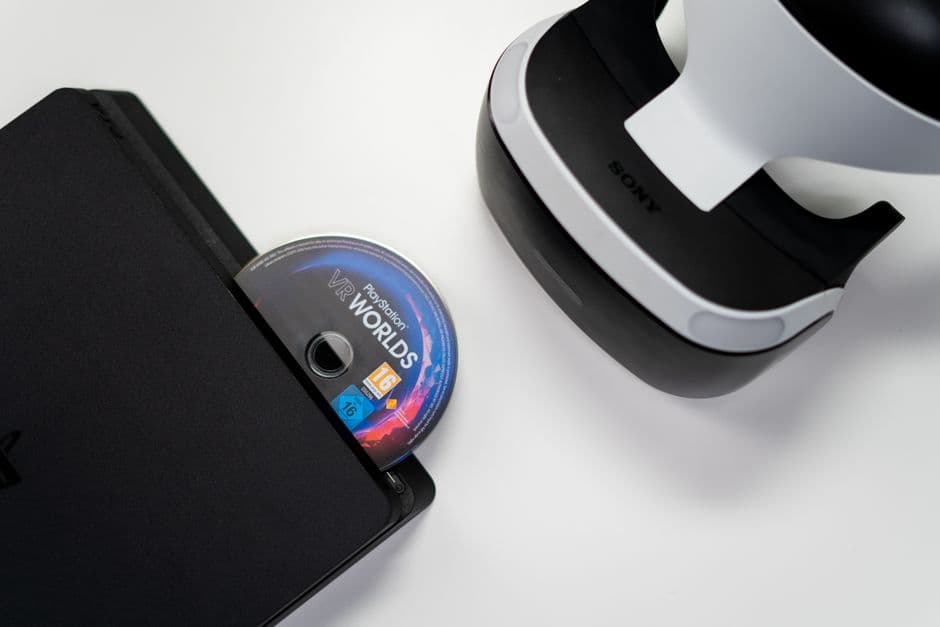
Physical game discs are fading, signaling a seismic shift beyond convenience. This move to digital-only impacts ownership, access, and the very preservation of gaming's past.
There’s a moment when a beloved piece of technology starts to feel… quaint. For me, that moment arrived not with a whimper, but with the quiet hum of a PlayStation 5’s disc drive remaining stubbornly silent, game after game. The physical video game disc, once the undisputed king of bringing digital worlds into our homes, is steadily receding into the rearview mirror, and it’s a transition that means far more than just not having to swap out discs. This isn't just about convenience; it's a fundamental renegotiation of what it means to own, access, and preserve our favorite games.
I remember the satisfying weight of a new game box, the smell of the plastic and paper inserts. It felt like a tangible connection to the experience within. Now, most new releases are either digital-only from the jump or offer a digital version that’s often the default choice for consumers. Major retailers like Best Buy have announced they will stop selling new physical video games, a move that signals a significant industry-wide pivot, according to The Verge. This isn't an overnight switch, but a clear direction of travel, mirroring what we’ve seen happen to music and movies over the past couple of decades.
The shift to digital distribution, while offering undeniable perks like instant access and potentially larger game libraries stored on a single device, fundamentally alters the concept of ownership. When you buy a digital game, you’re not really buying a product in the traditional sense. Instead, you’re purchasing a license to access that game through a specific platform’s storefront. This means your game library is tied to your account, and if that account is suspended or a platform shuts down, your access to those games could vanish. We’ve seen this play out in smaller ways with digital movies or even games on older console stores that are no longer active. The potential for games to become inaccessible, essentially lost to time, is a genuine concern for the future of gaming preservation.
Think about it: what happens when the servers for a particular digital game eventually go offline? Will there be a mechanism for players to continue playing their purchased titles? This question looms larger with every passing year. Unlike a physical disc that can be popped into a compatible console for as long as that hardware exists, a digital game’s lifespan can be dictated by the business decisions of a company years down the line. The Internet Archive’s efforts to preserve software, including video games, highlight the growing need for such archival work precisely because of this digital fragility.
Beyond ownership, there are implications for the used game market. The vibrant ecosystem of buying, selling, and trading physical games provided an affordable entry point for many players and extended the life of titles long after their initial release. This market, which has been a significant part of the gaming landscape for decades, is effectively neutered in a digital-only world. There's no resale value for a license. This could lead to a more stratified gaming landscape where only the latest, most expensive digital titles are readily available, potentially pricing out some enthusiasts.
The implications extend to the very history of gaming. Physical media acts as a historical archive. Libraries and collectors can preserve consoles, cartridges, and discs, ensuring that future generations can experience games from different eras. While emulation and digital re-releases help, they are often curated and can sometimes introduce changes or omissions. The complete, unaltered experience, stored on its original physical medium, offers a more direct link to the past.
This isn't to say the digital transition is entirely without merit. For sheer convenience, it’s hard to beat. Loading up a dozen games without leaving your couch, especially on a console like the Xbox Series X or PlayStation 5 with their rapid loading speeds, is a modern marvel. Game updates can be delivered seamlessly, and digital storefronts offer a vast, searchable library. My own dusty shelves of discs are a testament to a bygone era, and I certainly appreciate the space I’ve gained.
However, we need to acknowledge the trade-offs. The gradual disappearance of the physical disc signifies a move from a product-based model to a service-based one. It’s a shift that requires careful consideration from both players and developers. Will companies continue to invest in long-term digital archiving and ensure access to older titles? Or will we see more games effectively disappear from public access once their initial commercial viability wanes?
The consoles that still offer disc drives—the PlayStation 5 standard edition and the Xbox Series X—feel like the last bastions of a familiar era. Their existence is a nod to the lingering demand for physical media and the benefits it offers, however diminished. But the writing is on the wall, or rather, on the loading screen. The video game disc, once the portal to countless adventures, is becoming a relic. And while the convenience of digital is undeniable, we should be mindful of what we might be losing in this transition – not just discs, but a tangible connection to our gaming past and a more robust form of ownership for our digital future.