The Switch's Unkillable Charm: Nintendo's Next Move Dilemma
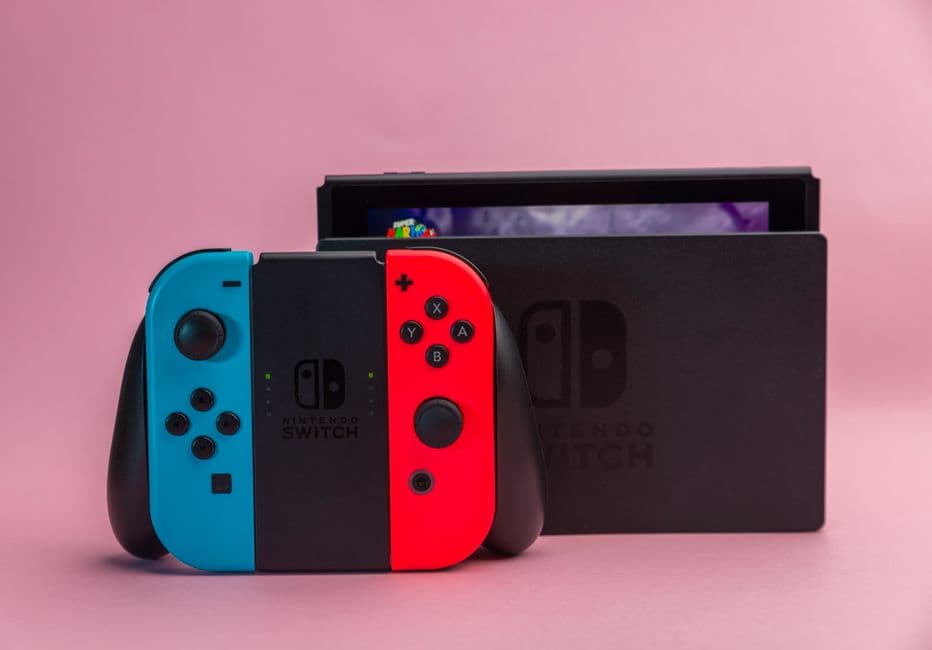
The Nintendo Switch defies its age, but its enduring success creates a tricky situation for Nintendo's future hardware plans. We explore the challenges and potential strategies.
It’s almost funny, isn’t it? The Nintendo Switch, a console that feels like it’s been around forever (because, well, it has), continues to be a dominant force in hardware sales. Even as competitors like Sony and Microsoft push their latest, most powerful machines, Nintendo’s hybrid handheld is still showing up on bestseller lists. I remember being initially skeptical of the Switch’s power ceiling back in 2017, but its unique proposition — being a capable home console and a perfectly viable portable — won me over. Now, years later, that same charm is proving remarkably sticky.
But here’s the thing that keeps me up at night, as a gamer who lives and breathes this stuff: how much longer can this go on? The Switch's incredible staying power, while a massive win for Nintendo in the short to medium term, also presents a fascinating strategic puzzle. It’s like having a favorite old car that refuses to break down; you love it, but eventually, you have to think about what comes next, especially when the road ahead might demand something… more.
Let’s talk numbers, because even though I’m not a spreadsheet guy, the data here is hard to ignore. According to Nintendo’s own financial results, the Switch has sold over 141 million units globally as of March 2024, making it the third best-selling console of all time, trailing only the PlayStation 2 and the Nintendo DS. This is not a flash in the pan. This is sustained, remarkable success. Even in Nintendo's most recent fiscal year, which ended in March 2024, the Switch sold over 15.9 million units. That’s a significant number for a console approaching its eighth anniversary.
Why is it still selling? It's a confluence of factors, really. Firstly, Nintendo’s first-party library is second to none. Games like The Legend of Zelda: Tears of the Kingdom, Super Mario Bros. Wonder, and Animal Crossing: New Horizons aren't just good; they're cultural touchstones. They drive hardware sales by offering experiences you simply cannot get anywhere else, experiences that are perfectly suited to the Switch’s hybrid nature. Playing Zelda on the big screen is an epic adventure, but then snapping off the Joy-Cons to continue exploring Hyrule on the train is a different kind of magic, a convenience that no other console truly replicates.
Then there’s the sheer accessibility. The Switch isn’t just for the hardcore crowd. It’s for families, for casual players, for people who might pick up a game once a month. Its approachable design and the sheer breadth of its software library, from polished AAA experiences to quirky indie darlings, cast a wide net. Plus, the OLED model offers a beautiful portable screen that makes even older games feel fresh.
But this unrelenting success creates a paradox for Nintendo. The longer the Switch dominates, the more it potentially delays the inevitable transition to a new platform. Gamers, myself included, are constantly looking for the next big thing, for technological leaps. While the Switch offers incredible gameplay experiences, it’s undeniable that its internal hardware is showing its age. Loading times can be long, graphical fidelity isn't comparable to PS5 or Xbox Series X/S, and developers often have to make compromises to get their games running on the platform.
This is where the speculation heats up. What is Nintendo cooking up? Whispers and rumors abound about a "Switch 2," a successor that will likely bring more power, improved graphics, and perhaps even new features. But how do you transition your audience from a console they still adore and actively buy, to something entirely new?
One of Nintendo's greatest strengths has always been its ability to innovate and surprise. They don't typically chase raw power. Instead, they focus on unique gameplay experiences and accessible hardware. Think about the Wii and its motion controls, or the DS and its dual screens and stylus. These were not the most powerful machines on the market, but they offered something novel that captivated millions.
The risk for Nintendo is creating a successor that feels too much like an incremental upgrade. If the next console is just a "more powerful Switch," will it be enough to excite the market and justify the cost of a new system, especially when the current one is still so beloved? Conversely, if they go too far in a completely new direction, they risk alienating the massive user base they’ve cultivated with the Switch.
A crucial element will be how they handle backward compatibility. If players can bring their existing Switch game library to the new platform, it significantly lowers the barrier to entry. Imagine being able to play your favorite Switch titles, perhaps with some visual enhancements, alongside brand-new experiences on a more powerful machine. This would be a huge win. However, the technical hurdles of ensuring compatibility between different hardware generations can be significant, and it’s not always a given.
Another strategy Nintendo might employ is a staggered release or a clear distinction in their offerings. Perhaps they could maintain the Switch in some form, catering to a more casual or budget-conscious market, while also introducing a more powerful, dedicated home console. This approach, however, could dilute their brand message and potentially confuse consumers.
Ultimately, Nintendo has a remarkable track record of understanding what makes their consoles special. They aren't trying to be PlayStation or Xbox. They carve their own path. The Switch’s longevity is a testament to that philosophy. It’s proof that a compelling library and innovative hardware design can trump raw specs. But even the most beloved game consoles have a lifecycle. The question isn't if Nintendo will release new hardware, but when, and how they will manage the delicate act of evolving their platform while honoring the incredible legacy of the Switch. It’s a fascinating tightrope walk, and I, for one, can’t wait to see how they navigate it.