The Philips Hue Bridge Pro Brick: When Smart Home Updates Go Terribly Wrong
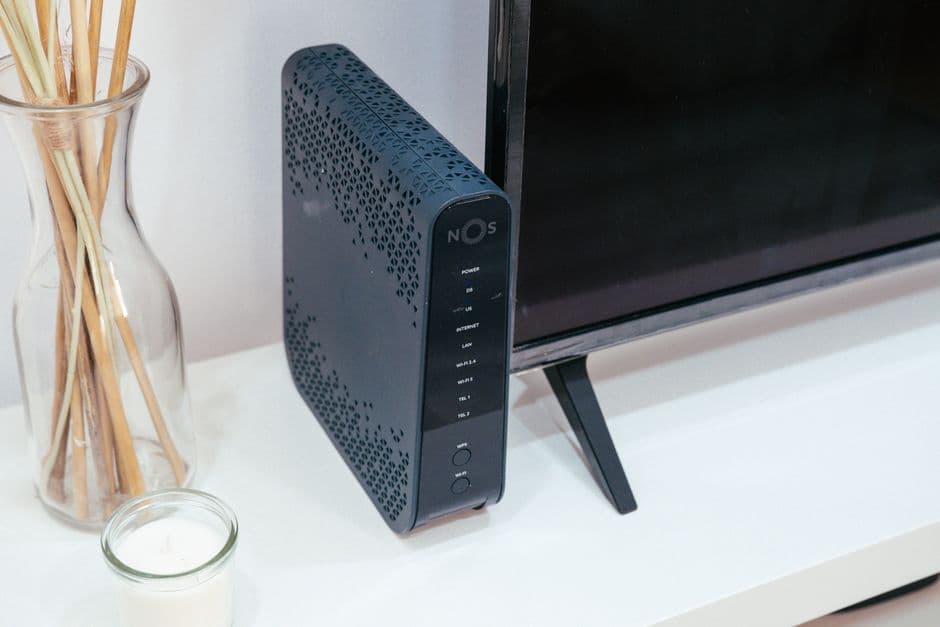
A recent firmware update bricked Philips Hue Bridge Pro devices for many users, causing widespread disruption and highlighting the risks of closed smart home ecosystems.
If you've ever tinkered with PCs, you know the thrill of upgrading a component, maybe swapping out a CPU or adding more RAM. It’s usually a straightforward process, a predictable path to a better experience. The smart home, however, can be a different beast. Sometimes, instead of an upgrade, you get a brick. That’s exactly what happened recently to many users of the Philips Hue Bridge Pro.
A firmware update, pushed out by Signify, the company behind Philips Hue, ended up rendering a significant number of these popular smart home hubs unusable. The reports started trickling in, then became a flood on forums and social media. Users found their formerly functional smart lights unresponsive, their meticulously crafted automations broken, and their entire smart home setups grinding to a halt. The Hue Bridge Pro, the central nervous system for many a connected home, had become a useless lump of plastic and silicon.
This isn’t just an inconvenience; for many, it’s a major disruption. The Hue Bridge Pro isn’t some standalone gadget. It’s the orchestrator of a symphony of smart devices. When it goes offline, it takes everything else with it. Suddenly, those automated "good morning" routines that turned on lights and adjusted thermostats are gone. The "movie night" scenes that dimmed the lights to the perfect ambiance are kaput. And the security automations that you rely on? Also dead in the water. Users were forced to troubleshoot, reset, and in many cases, completely reconfigure their smart home ecosystems.
The fallout from this incident is a stark reminder of the inherent risks involved when we entrust so much of our daily lives to proprietary smart home ecosystems. We buy into these systems, often investing considerable time and money, believing they’ll simplify our lives. But when a single point of failure, like a buggy firmware update, can bring everything crashing down, that perceived convenience evaporates, replaced by frustration and a sense of powerlessness.
What makes this situation particularly galling for users is the lack of an easy fix. Many reported that the update seemed irreversible, requiring a factory reset of the Bridge. For a device that often holds the configuration for dozens, if not hundreds, of individual smart lights and accessories, a factory reset is no small undertaking. It’s akin to rebuilding your smart home from the ground up. Users shared their experiences of having to re-pair every single bulb, re-establish every single routine, and re-think every automation they had set up. The time and effort involved can be substantial, especially for those with complex setups.
This incident also shines a spotlight on the update protocols employed by smart home manufacturers. While regular updates are crucial for security and adding new features, the way they are implemented needs to be bulletproof. A bad update shouldn't have the power to permanently disable a core piece of hardware. Ideally, updates should have robust rollback mechanisms, or at the very least, fail-safe modes that prevent a device from becoming completely bricked. Users also suggested better communication from Signify, with clearer warnings and more readily available support during such outages.
The Philips Hue ecosystem is generally well-regarded for its reliability and broad compatibility. Its lights are known for their vibrant colors and consistent performance. However, this widespread failure of the Bridge Pro has undoubtedly shaken the confidence of many users. It’s a cautionary tale that resonates beyond the Philips Hue brand, affecting anyone invested in a connected home. We’ve all heard horror stories of devices that become obsolete overnight due to a manufacturer discontinuing support, but having a device rendered useless by a routine software update is a particularly bitter pill to swallow.
From my perspective, as someone who enjoys building and understanding how technology works, this kind of event is frustrating because it’s often avoidable. The core hardware within these bridges is usually more than capable. The problems arise from software, specifically in the way updates are tested, deployed, and managed. It underscores the need for manufacturers to prioritize stability and user experience over rapid feature deployment. A well-tested, stable system that might lack the latest bells and whistles is often preferable to a buggy one that promises the moon and delivers a black hole.
What’s the takeaway here for consumers? It’s not to abandon the smart home altogether, because when it works, it’s genuinely fantastic. Instead, it’s about being more aware of the potential vulnerabilities. Consider ecosystems that offer more openness, or at least, more transparent and user-controlled update processes. Look for manufacturers who have a track record of robust software support and responsive customer service. And perhaps, for critical components like hubs, having a backup plan or a readily available replacement might be a wise, albeit unwelcome, consideration.
For now, users affected by the Philips Hue Bridge Pro bricking are left to pick up the pieces, re-establish their smart homes, and hope that future updates are handled with a much more cautious and thorough approach. This incident serves as a potent reminder that in the rapidly evolving world of smart home technology, sometimes the most reliable option is the one that doesn't try to be too clever for its own good.
When Signify eventually addresses the issue and provides solutions, it’s crucial they go beyond just fixing the immediate problem. They need to demonstrate a renewed commitment to robust update protocols and transparent communication. Only then can they begin to rebuild the trust that has been so significantly eroded by this "bricking" event. For now, the Philips Hue Bridge Pro serves as a rather expensive, and decidedly dumb, paperweight for many.