The Nopia Synth Saga: From Viral Dream to Studio Reality?
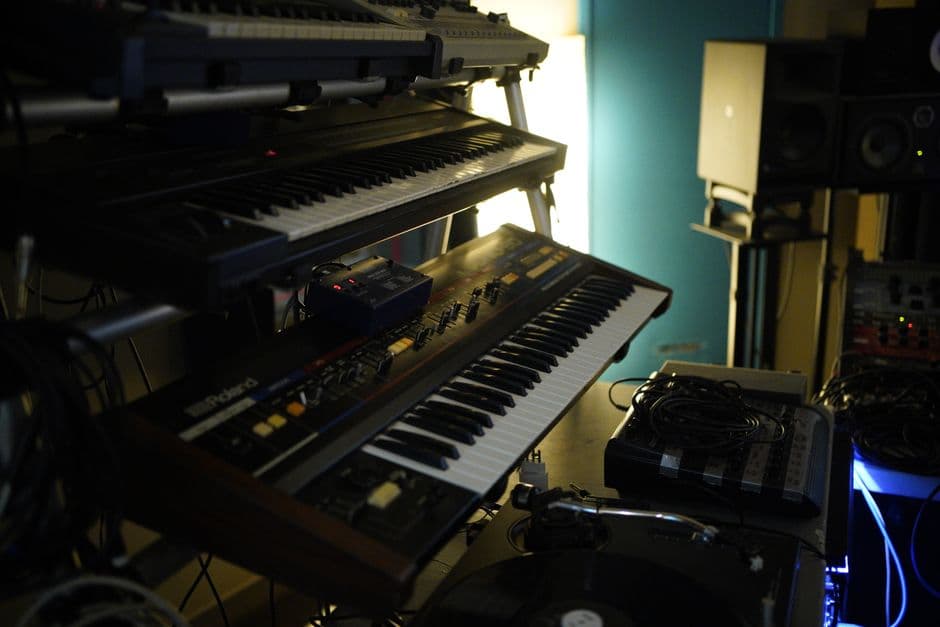
Years of internet hype surround the Nopia synthesizer. Is this unique, viral instrument finally ready to enter your studio, and can it possibly live up to the immense anticipation?
The internet has a way of latching onto things, doesn't it? For a while, it was sourdough starters. Then it was that bizarre dancing robot. Now, for a certain corner of the music-making world, the object of intense, prolonged fascination is the Nopia synthesizer. If you've spent any time browsing synth forums, watching YouTube demos, or just generally existing online with a passing interest in electronic music gear, you've probably seen it. Its distinctive, almost toy-like aesthetic, coupled with its unusual interface, has made it a recurring viral hit for years. And now, after what feels like an eternity of digital whispers and development updates, there's a growing sense that the Nopia might actually be coming to a studio desk near you.
But here's the rub: "basically finished" is a phrase that's been floating around for a while, and in the gear community, that breeds a healthy dose of skepticism. I've seen too many promising instruments generate massive hype, only to either fizzle out in production, buckle under financial strain, or simply reveal that the original, captivating vision wasn't quite ready for prime time. So, the real question isn't if it's finished, but what it actually is, and more importantly, what it can do when you finally get your hands on it. This isn't a hands-on review – yet – but an exploration of its journey, what makes it so compelling, and what we need to see for it to justify the decade-long wait.
The journey from a curious concept shared online to a tangible instrument ready for pre-order is rarely a smooth one, and the Nopia's path has been particularly winding. What started as a passion project, a unique vision brought to life by its creator mentioned as a solo effort in early dev logs, quickly captured the imagination of a community hungry for something different. Early videos and images showcased a synthesizer that looked unlike almost anything else on the market. Its almost playful design, with chunky, tactile knobs and a clear visual representation of its signal flow, belied a serious instrument. This isn't just about flashy aesthetics; it's about how the instrument feels and how it encourages exploration.
The core of the Nopia's appeal, as evidenced by countless social media shares and forum discussions, seems to stem from this blend of approachable form and functional depth. In a world where synthesizers can sometimes feel intimidatingly complex, with menus, sub-menus, and a bewildering array of knobs and buttons, the Nopia presented an alternative. The physical layout, with clearly defined sections and a visual representation of its signal path as seen in this conceptual diagram, promised a more immediate connection. This was about more than just specs; it was about a workflow that seemed to prioritize hands-on manipulation and immediate sonic feedback. This directness is what many musicians, from hobbyists to established producers, saw as a potential spark for creativity, a way to break down barriers to entry and offer a fresh perspective on sound.
However, the road from viral sensation to finished product is often paved with unexpected challenges. Developing any complex electronic instrument takes time, expertise, and, crucially, capital. What might start as a bedroom project can morph into a full-blown manufacturing undertaking, requiring precision engineering, robust testing, and reliable supply chains. The extended development cycle for the Nopia, while frustrating for eager potential buyers, is likely a testament to the complexities involved in bringing such a unique instrument to life at scale. For context, established synths like the Moog Subsequent 37 undergo rigorous development and testing, and that's from a company with decades of experience. The Nopia is navigating this much more uncharted territory.
The most concrete update we've heard recently, emerging from discussions on forums like Gearspace and via sporadic updates from the Nopia team, is that the instrument is now reportedly "basically finished." This isn't just a random claim; it's accompanied by glimpses of what appear to be production-ready units and discussions about manufacturing partners. However, without a full hands-on review or definitive spec sheet readily available for public scrutiny, the exact nature of its final capabilities remains something of an educated guess. We're relying on external reports and the Nopia team's own progress updates.
The real question now is whether the Nopia can transcend its internet fame and prove its worth in the real world of music production. The expectations placed upon it are enormous. It's not just expected to sound good; it's expected to be inspiring, intuitive, and a genuine asset to a musician's toolkit. Can a synthesizer that became famous for its looks and its unique concept actually deliver on the sonic front? Will its unconventional interface, so captivating in videos, translate into a fluid and efficient workflow for someone sitting down for a serious session?
For me, growing up with the sharp, precise sounds of the Sega Genesis, I’ve always been drawn to instruments that offer a clear purpose and a focused approach. The Nopia’s visual promise of direct interaction and a clear signal path is incredibly appealing. I’m wary of instruments that try to be everything to everyone, often resulting in a jack-of-all-trades, master-of-none situation. The Nopia seems to be carving out its niche, focusing on its particular approach to synthesis, much like how instruments like the Korg Volca series offer specific sonic palettes and workflows at accessible price points. It’s about understanding what you don't do, as much as what you do. If the Nopia can hone in on its strengths, offering a distinct sonic character and a workflow that encourages experimentation without getting bogged down in complexity, it could be a truly valuable addition to the electronic music landscape.
The challenge for any product that achieves significant pre-release buzz is managing those expectations. The Nopia has been dissected and discussed online for so long that potential buyers have already built it up in their minds. When it finally lands, it will inevitably be compared not just to other contemporary synthesizers but to the idealized version that has circulated on the internet for years. For instance, its unique interface will be weighed against established workflows on devices like the Elektron Digitakt, known for its powerful but often steep learning curve. The Nopia's promise of immediacy needs to stand up to the proven, albeit more complex, efficiency of established players.
The success of the Nopia will likely hinge on a few key factors, assuming it actually hits shelves. Firstly, its sound quality needs to be genuinely impressive, not just merely competent. We need to hear about its sonic character – is it warm, gritty, clean, digital? Secondly, the user experience must live up to the promise of its design – it needs to be a joy to operate, fostering creativity rather than frustration. This means the tactile feel of the controls, the responsiveness of the interface, and the clarity of its sonic output. Finally, and perhaps most critically for its long-term viability, it needs a clear and consistent support structure from its creators. Updates, tutorials, and a responsive development team can make all the difference in how an instrument is received and utilized by its community.
The Nopia's journey from an internet curiosity to a near-market reality is a fascinating case study in modern product development and community engagement. It’s a testament to how a compelling idea, visualized effectively, can capture the attention and passion of a global audience. Now, the real test begins. Can the Nopia synthesizer, after all this time in the digital ether, finally prove it has the substance to match its considerable style? The studio waits.