The Line Goes Dead: Why AT&T’s Landline Sunset Hits Harder Than You Think
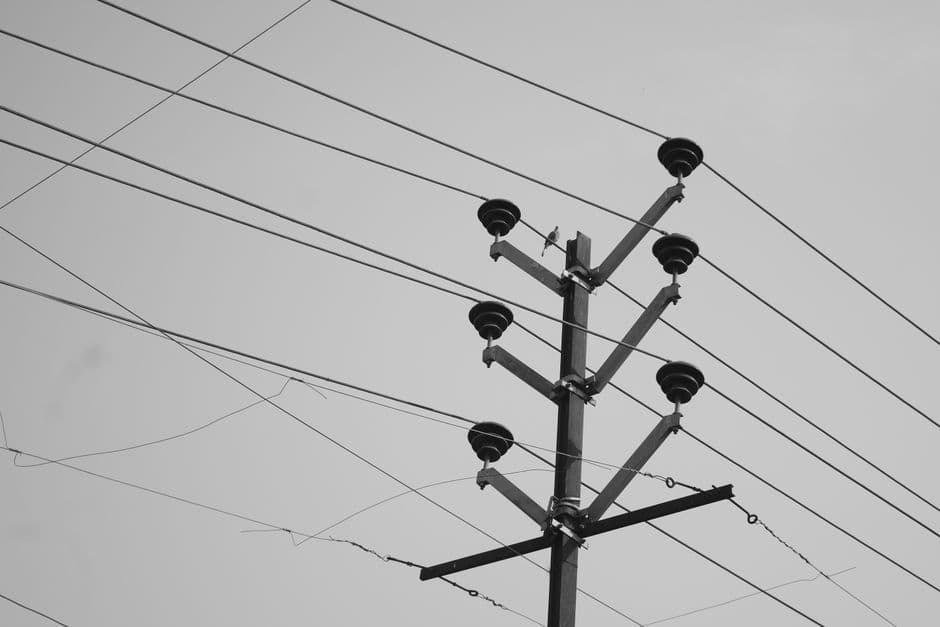
AT&T’s move to exit California’s landline service isn't just a corporate update—it's a critical infrastructure shift that leaves vulnerable systems behind.
The dial tone is one of those background sounds most of us stopped listening for years ago. It sits in the same category as the hum of a refrigerator or the click of a turn signal—a mundane signal that the machine is ready to do its job. But in California, that sound is disappearing. AT&T, the state's largest carrier, has been petitioning the California Public Utilities Commission (CPUC) to relinquish its status as a "carrier of last resort" (COLR), a designation that currently mandates the company provide basic voice service to anyone who wants it (CPUC).
If you’ve spent any time driving through rural corridors where cell service drops off a cliff, you know that digital perfection isn't universal. While we treat the transition to fiber and cellular as an inevitable upgrade, the reality on the ground is less about speed and more about resilience.
The Problem with Being All-Digital
The push to replace copper-wire landlines with VoIP or cellular-based alternatives sounds logical on a spreadsheet. Copper is expensive to maintain, prone to weather damage, and requires specialized labor to fix. But when you move voice traffic to a digital network, you change the power requirements for your home.
Traditional copper lines are powered by the telephone exchange, not your wall outlet. This is why your landline still worked during the massive power outages that frequently sweep through fire-prone parts of California. When the grid says "no" and the power goes out, a corded phone plugged into a copper jack is a lifeline. Once that infrastructure is decommissioned, you aren't just losing a nostalgic connection; you are losing a passive, battery-free emergency system.
The California Public Utilities Commission has noted that the request to end the COLR status would effectively allow AT&T to sunset traditional landline service in regions where they claim other alternatives are available. The catch, of course, is that "available" doesn't always mean "functional" during a crisis. If you live in a canyon or a remote valley, "other alternatives" often mean a spotty cellular signal that can barely handle a text message, let alone a stable 911 call.
The Maintenance Gap
I’m a fan of modern tech. I’d take a responsive, software-defined electric vehicle over a clunky, outdated internal combustion car any day, provided the charging infrastructure keeps up. But in the world of telecommunications, we’re seeing a classic case of removing a legacy system before the replacement is truly ready for the extremes.
There is a mechanical reality to repairability that software developers often ignore. A copper wire break is visible, tactile, and physically traceable. When a fiber optic line is severed or a cellular tower’s backhaul goes down, the fix requires specialized hardware and technicians who aren't always stationed in the neighborhood. According to documentation from the California Public Utilities Commission, the debate over the COLR designation hinges on whether the state can ensure that residents in these legacy service areas aren't left with an "all-digital" setup that fails the moment a wildfire or earthquake knocks out the local grid.
Why This Matters
This isn't about Luddites clinging to obsolete hardware. It’s about the vulnerability of an increasingly fragile communications stack. We’ve consolidated our emergency services, our home security systems, and our daily logistics into a digital framework that relies entirely on a constant flow of electricity and a stable internet connection.
When a company like AT&T seeks to exit its mandate, the conversation usually centers on corporate margins and technological obsolescence. But for the people living in the gaps of the map, the issue is structural. A system that works "most of the time" is usually fine for streaming video or browsing the web. It is decidedly not fine when you are trying to reach emergency services during an evacuation event.
The transition to all-digital is happening, and in many ways, it’s already won. But by letting the older, more reliable analog systems wither before the digital alternatives can match their physical robustness, we are essentially making a bet on the grid’s perfection. Given how often that grid falters in the real world, it’s a gamble that more people should be paying attention to. We aren't just retiring copper; we are trading away a level of fault tolerance that we may well regret when the next major outage hits.