The Kia EV6's Software Isn't Just Clunky—It's a Liability
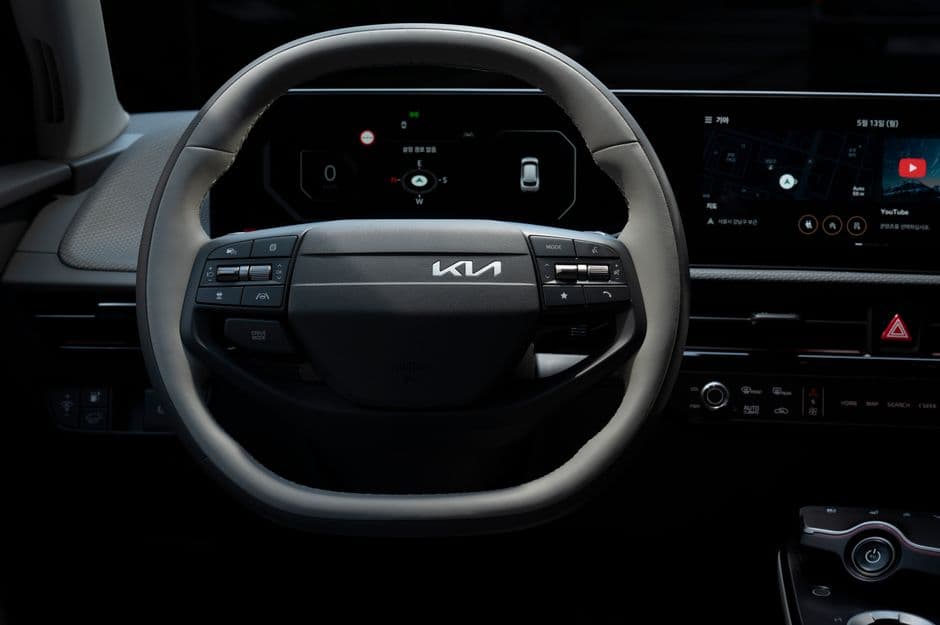
The Kia EV6 is a blast to drive, but its digital architecture is a long-term headache. We examine why its approach to updates risks turning a brilliant machine into a digital paperweight.
I parked the Kia EV6 in my driveway for a week, and for the first three days, I was convinced it was the best thing to happen to the electric crossover market. It’s got genuine road presence, the steering weight is spot-on, and the turning radius is tight enough to make navigating cramped city parking structures feel like a genuine luxury. But then I tried to update the infotainment system. Then the navigation glitched while I was crossing state lines. Then I realized that while the chassis is built for the next decade, the software feels like it’s clinging to a server rack that’s about to lose power.
The problem with the EV6 isn’t how it handles a corner; it’s the philosophy behind its digital infrastructure. In the world of home servers, the cycle of death and rebirth is a familiar pattern: hardware hits a wall, software becomes too bloated to run efficiently, and eventually, you’re forced to abandon the system. Kia is currently pushing their customers toward that exact cliff.
The Update Path: A Manual Labor Nightmare
When you buy a modern car, you’re buying a computer that happens to move. Tesla nailed this years ago, building a vertical integration where the hardware and software evolve in tandem via Over-The-Air (OTA) updates. Kia, by contrast, treats the EV6 like a static appliance.
During my time with the car, I wanted to address a known issue with the infotainment's persistent lag when switching between the climate and media menus. On a Tesla or even a Rivian, this would be a background task handled while the car is parked overnight. On the EV6, my experience mirrored the documented frustrations of owners who are tethered to a USB drive. I spent an hour downloading files to a thumb drive, formatting it just right, and sitting in the driveway while the system painstakingly "verified" files.
Compare this to the Hyundai Ioniq 5. While both share the E-GMP platform, the Ioniq 5 has moved more aggressively toward OTA capabilities, allowing for remote updates to the infotainment and select control modules. It isn't perfect, but it’s a distinct shift away from the "bring it to the dealer" culture that Kia still clings to. If you’ve ever burned a Saturday morning sitting in a sterile service center waiting for a technician to flash firmware, you know this isn't just an inconvenience—it’s a design failure that leaves the user disconnected from the manufacturer’s support loop.
Why Complexity Breeds Obsolescence
The interface of the EV6 is flashy—the curved display is visually impressive—but beneath the skin, it’s prone to the digital bloat that plagues consumer tech. As manufacturers pack more features into these dashboards—multi-camera feeds, augmented reality nav, and increasingly complex climate logic—they increase the number of points where the system can fail.
When a system is poorly optimized, it doesn’t just crash; it creates a diagnostic nightmare. My personal experience with the EV6’s menu-diving was telling: to change a simple setting like regenerative braking intensity, I had to tap through multiple nested sub-menus while the screen stuttered under the weight of the processor. It wasn't just slow; it was distracting.
This is where the lack of diagnostic transparency becomes a real liability. If a sensor reports a fault in a system this opaque, you aren't getting a clear error log. You’re getting a "check system" light that requires a dealership visit to interpret. In the IT world, if you can’t verify the integrity of your environment, you’re forced to wipe it and start over. You can’t exactly factory reset your car’s main control module in your garage.
The Long-Term Diagnostic Gap
The real danger here is longevity. In five or ten years, when the original warranty expires, what happens when the software stops receiving support? A car with a perfectly functioning battery and motor can become a brick if the infotainment module acts as the "brain" for essential vehicle settings that can no longer be configured.
If the software is buggy and sluggish today, it will be a liability when it’s no longer the brand’s priority. I love the way the EV6 handles a winding back road. The weight distribution is spot-on, and the regenerative braking gives you the kind of one-pedal control that makes driving an EV feel like you’re piloting a spaceship. But when I look at that screen and I’m met with a menu system that feels like it was designed by committee rather than software engineers, that driving joy takes a hit.
We need to stop letting manufacturers off the hook for "good enough" software. A car that drives like a dream but feels like it’s running on outdated, unsupported firmware isn’t a premium experience—it’s a ticking clock. If Kia wants to compete with the leaders in the EV space, they need to treat their software not as an afterthought, but as a core component of the vehicle’s mechanical health. Until they do, the EV6 remains a brilliant machine stuck in a digital cage. The road is clear ahead, but the dashboard is warning us that the system might just decide to quit before we get there.