The Flying Umbrella: Gimmick or Genuine Convenience?
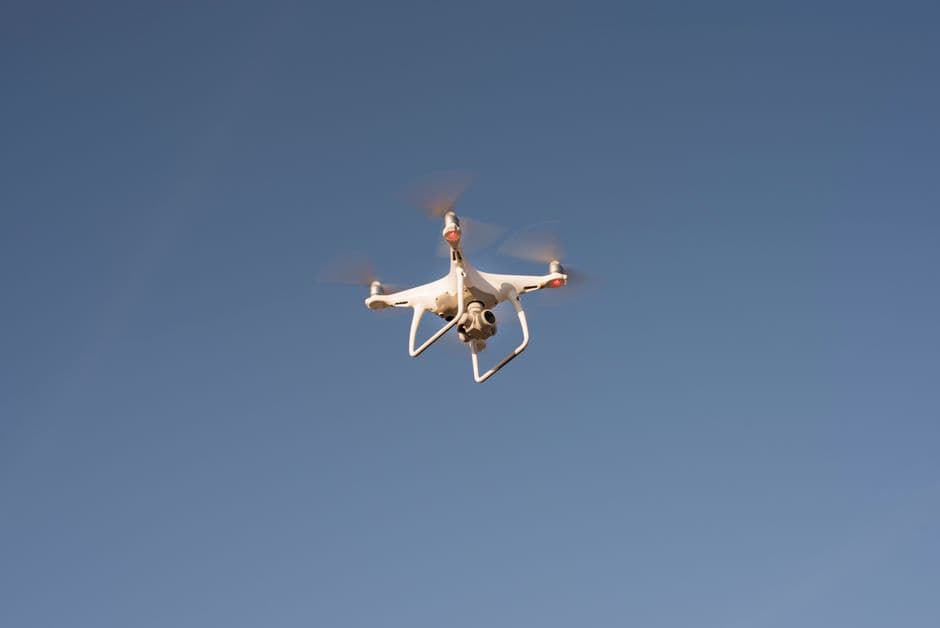
We spent two weeks with an autonomous flying umbrella. Does this high-tech shade follow you into the future, or is it just a fancy gadget looking for a problem?
The pitch for the 'AeroShade,' as it's called, landed in my inbox with the kind of bold promise that usually makes me reach for my skepticism. An autonomous, drone-powered umbrella that follows you around, keeping you perfectly shaded from the sun or dry from the rain. My first thought? Who needs this? My second thought? Alright, let's see if it actually works.
For two weeks, I subjected the AeroShade to everything my moderately sunny and occasionally drizzly city could throw at it. I walked to the bodega, sat in the park, even tried to hail a cab under its watchful, whirring gaze. The reality, as is often the case with these boundary-pushing gadgets, is a mixed bag of genuine utility and undeniable over-engineering.
First Impressions: It's Bigger Than It Looks
Unboxing the AeroShade is an experience. It's not just a flimsy umbrella; it's a substantial piece of kit. The main canopy is a standard umbrella size, but the drone unit beneath it adds significant bulk and weight. It’s not something you’d casually toss in a tote bag. Setting it up involves pairing it with a smartphone app, which is fairly straightforward, and calibrating its sensors. The app is where you control its basic functions: follow mode, stationary mode, and a manual override.
The 'follow' mode is the main event. You enable it, and the drone autonomously lifts the umbrella and hovers a set distance above and behind you. It uses a combination of GPS and visual sensors to track your movement. In open spaces, it's surprisingly adept. I took it to a large, empty park, and it followed my slow wanderings with impressive precision. The umbrella adjusted its angle automatically to keep me optimally covered as I turned. It felt… futuristic. Like I was being attended to by a silent, personal weather guardian.
The Use Cases: Where Does it Actually Shine?
So, who is this for? My initial thought of "no one" began to soften, albeit slowly. The most immediate benefit I found was for people with mobility issues. Imagine someone using a walker or wheelchair who struggles to hold an umbrella while also navigating. The AeroShade could genuinely offer an extra layer of comfort and protection without requiring them to manage a separate device.
Then there's the spectator. Sitting at an outdoor event – a kids' soccer game, an impromptu picnic, or even a casual outdoor concert – and not wanting to constantly adjust a patio umbrella or wrestle with a portable one. The AeroShade, when deployed in a suitable environment, can provide hands-free shade. I used it while reading on my porch, and it was lovely not having to reposition myself every time the sun shifted. It freed up my hands for my book and my iced tea.
However, the scenarios where it truly excels are limited. Urban environments with unpredictable wind, crowded sidewalks, and sudden obstacles are its natural enemies. More than once, the drone had to make a sudden abort in follow mode because I walked too close to a tree branch or a fellow pedestrian. The app offers warnings, but the system isn't infallible.
The Tradeoffs: Power, Wind, and the Social Factor
The biggest hurdle for the AeroShade is its battery life. The drone unit requires significant power to stay airborne and track its user. The company claims "up to two hours of continuous operation" on a full charge. In my testing, I found that to be an optimistic upper limit, especially when the wind picked up or I was moving more briskly. Expect closer to an hour and a half in typical use, which means you’ll be recharging it frequently. This isn’t a device for a full day out without access to a power source.
Wind is another significant challenge. While the drone can adjust the umbrella's angle, strong gusts can still buffet the canopy, leading to jerky movements or even forcing the drone to descend for safety. It’s not built for gale-force winds, which is often when you need an umbrella the most.
And then there's the social aspect. I can’t count the number of curious stares, pointed fingers, and outright questions I received. In a crowded area, the AeroShade draws attention, and not always the kind you might want. While some found it fascinating, others seemed bemused or even mildly annoyed by the hovering gadget. It’s a conversation starter, for sure, but it also marks you as someone with a very, very specific technological accessory.
The Verdict: An Impressive Feat, But Is It a Necessity?
The AeroShade is an undeniably impressive piece of engineering. It demonstrates a remarkable capability for autonomous personal assistance. For certain niche applications – particularly those involving individuals with mobility challenges or those seeking hands-free convenience at static outdoor events – it offers a genuine benefit.
But for the average person, it’s a tough sell. The cost (information not available without further confirmation) is likely to be a significant factor, and coupled with its limited battery life and susceptibility to wind, it falls into the category of a luxury gadget rather than an essential tool. It's a peek into a future where technology anticipates our needs, but for now, that future requires more refinement, better battery technology, and perhaps a more compelling problem to solve.
Is it a gimmick? Partially. The novelty is undeniable. But is there potential for genuine utility? Absolutely. For tech enthusiasts who love exploring the bleeding edge and have the disposable income to experiment, the AeroShade offers a fascinating glimpse into what's possible. For everyone else, the tried-and-true umbrella, while requiring manual effort, still reigns supreme for its simplicity and reliability.