The ARM Gaming Reality Check: Why Nvidia’s Architecture Shift Isn't a Slam Dunk
Nvidia is betting big on ARM for the future of PC gaming, but shifting architectures brings real-world compatibility and thermal trade-offs that go beyond the marketing hype.
The first time I drove an electric car, I kept reaching for a gear shifter that didn’t exist. It felt like I was missing half the machine. Now, when I look at the shift toward ARM-based computing for gaming, I get that same phantom-limb sensation. Nvidia is betting that the efficiency of ARM architecture is the future of PCs, but after years of x86 dominance, the transition feels a lot more like a complicated engine swap than a clean upgrade.
The promise is simple: better battery life, less heat, and more portable hardware. But if you’ve spent any time with modern gaming, you know that performance isn't just about raw power; it’s about how well your machine talks to the thousands of games already sitting in your Steam library.
The Compatibility Hurdle
The biggest friction point in switching from x86 to ARM isn't the hardware itself—it’s the translation layer. When you run x86-based software on an ARM processor, the machine has to act as a middleman. Microsoft has been working on its Prism emulator for Windows on ARM, which aims to bridge that gap (The Verge).
The problem is that gaming is a real-time environment. If an emulator drops a few frames or hangs for a millisecond while interpreting instructions, you aren't just looking at a lagging UI; you’re looking at a missed shot, a stuttered frame, or a hard crash to desktop. In a world where we obsess over sub-millisecond input lag, adding an extra layer of abstraction is a heavy tax to pay. Even with Nvidia’s expertise in GPU design, the underlying architecture must support instructions that game engines have relied on for decades. If the hardware can't speak the native language of the game, the software has to work overtime, and that usually negates the efficiency gains you bought the ARM chip for in the first place.
Thermal Efficiency vs. Performance Ceiling
We talk about thermal efficiency as if it’s purely a benefit. It isn’t. In a high-performance gaming rig, heat is actually a tool. We design cooling systems to move thermal energy away from the core so we can push clock speeds higher. When a chip is designed specifically for "low power," it often hits a hard ceiling.
I’ve spent plenty of time testing laptops that prioritize silence and thinness over cooling capacity. They are great for writing articles in a coffee shop, but they usually start to throttle the moment you launch something demanding. Nvidia’s potential foray into high-end ARM gaming chips faces the same reality: if you want desktop-class performance, you need a way to dissipate the heat that performance creates. If Nvidia uses ARM to push thinner devices, they might just be giving us a platform that’s quieter, but ultimately less capable of sustaining peak frame rates over long sessions.
Repairability and the 'Closed Loop' Future
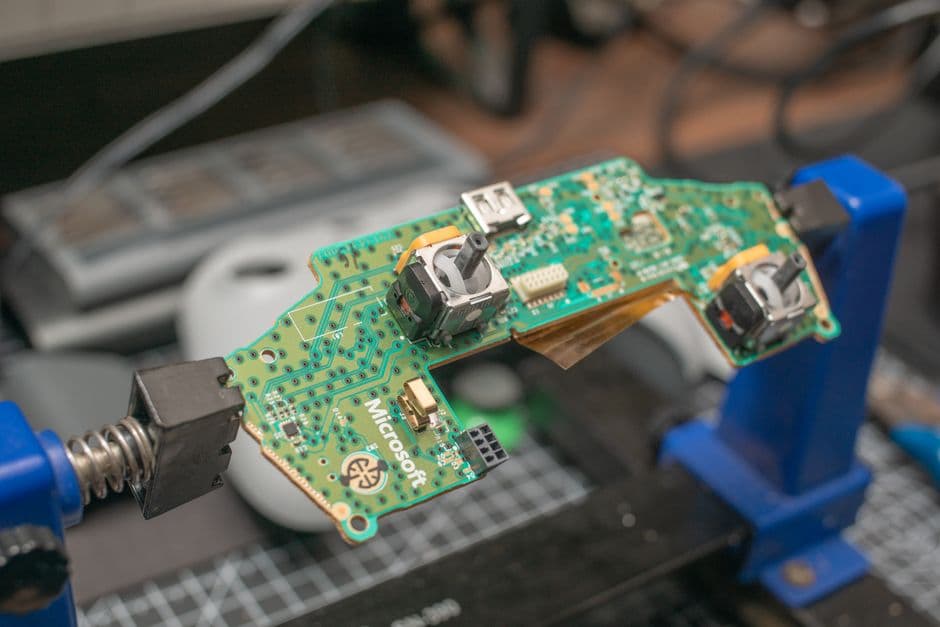
The part of this shift that really makes me nervous is the hardware ecosystem. ARM chips often lead to highly integrated designs where the CPU, GPU, and RAM are physically soldered onto the same substrate. It’s elegant engineering, but it’s a nightmare for the person who wants to keep their machine running for five years.
Compare that to the modularity we’ve taken for granted in the x86 world. If your GPU hits its limit, you swap it. If your drive starts to show errors, you replace it. When you move to a highly integrated ARM SoC (System on a Chip), that flexibility disappears. According to the iFixit breakdown of the current Windows on ARM landscape, the design choices often prioritize board space over repairability, making the entire device a "use it until it dies" proposition. For a tech enthusiast who likes to tinker, this isn't just a technical shift; it's a loss of agency.
The Verdict
Is ARM-based gaming ready to replace your custom-built rig? Not today. Nvidia’s push into this space is fascinating, and for the casual user who plays lightweight titles, the efficiency gains will be obvious. You’ll get a device that runs cool on your lap and doesn't need to be plugged into a wall every two hours.
But for those of us who demand consistent, unthrottled performance and the ability to maintain our gear, the x86 status quo isn't going anywhere yet. Nvidia is building a bridge to a more efficient future, but right now, that bridge is still under construction. Don't throw away your current rig just because the marketing sounds like the future has arrived. Wait until the software ecosystem is as native to ARM as the hardware is. Until then, we’re just driving a very expensive prototype.