The "Alpha" Gaming Gear Trap: Why Your Mouse Is Lying to You
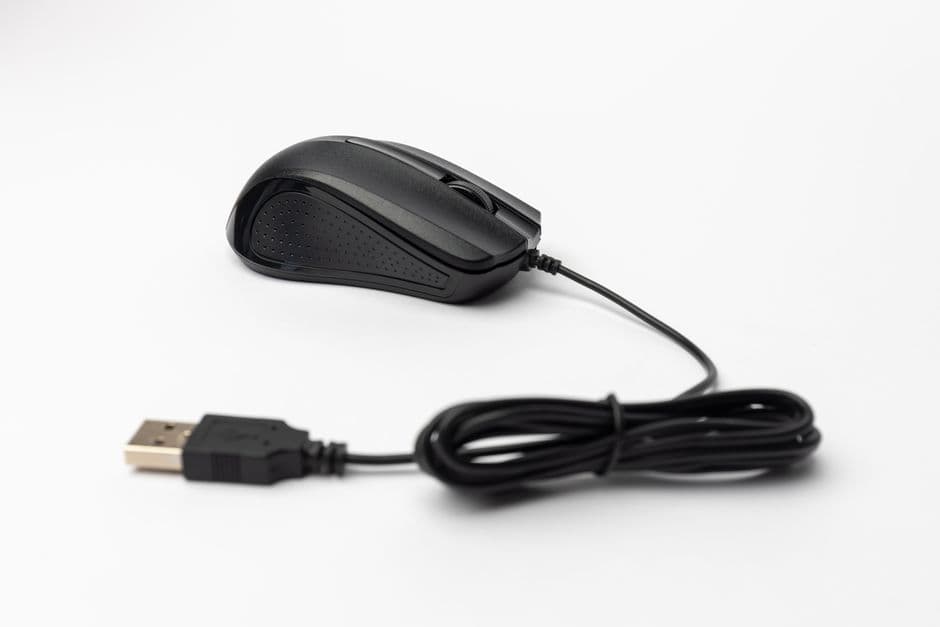
Gaming gear marketing is obsessed with "tactical" aesthetics that often sacrifice ergonomics for ego. I’m tired of the jagged, weaponized designs that leave our wrists in agony.
If you have browsed a gaming peripheral aisle lately, you might mistake it for a tactical armory. We’ve moved past the era of simple, reliable black plastic. Now, your mouse needs to look like a stealth bomber, your keyboard needs to resemble a weaponized slab of aluminum, and your headset should probably make you look like you are about to command a drone strike.
This is the rise of what I call "Alpha" hardware. It is gear that promises, through aggressive angles and marketing copy that wouldn't feel out of place in a recruitment ad, to turn you into a peak-performance operator. But there is a massive disconnect between the aesthetic of "tactical optimization" and the reality of how human hands actually work.
The Optimization Delusion
The industry has latched onto the language of "optimization" with an intensity that borders on the frantic. As The Verge points out in their analysis of the "optimizer" manosphere, we live in a culture obsessed with bio-hacking and quantifying every second of human existence. Gaming has not escaped this. We are told that by buying a mouse with a specific polling rate or a keyboard with a hair-trigger actuation point, we aren't just playing games—we are sharpening our human biology.
The problem is that hardware companies are selling us a lifestyle fantasy, not a physiological tool. When you hold a mouse designed to look like a jagged piece of sci-fi machinery, you are often sacrificing the natural curve of your palm for a silhouette that looks mean on a desk. You are paying for the aesthetic of the elite esports professional, even if that specific design makes your wrist ache after thirty minutes of a standard session.
Form Over Function: The Real-World Test
I remember the first time I sat down with an ultra-lightweight, "tactical-grade" mouse that arrived in packaging resembling an ammunition crate. It looked fast. But the aggressive, jagged cutouts—marketed to shave grams—actually created harsh pressure points on my thumb that became genuinely painful during long play sessions.
Take the Razer Viper V3 Pro. It’s a powerhouse for competitive players, but its highly aggressive, low-profile shell is built for a specific, tense "claw" grip. If you have larger hands or prefer a relaxed palm grip, that "pro" shape can quickly lead to forearm fatigue because the device essentially forces your hand into a perpetual state of bracing.
Compare that to something like the Logitech G Pro Superlight 2. While it shares similar high-end internal specs, its shell design is significantly more rounded and "boring." It doesn't scream "special ops," but by avoiding the extreme, pinched angles of more "tactical" competitors, it allows the hand to rest in a more neutral, sustainable position. In my experience, the Superlight 2 is objectively easier on the carpal tunnel after a three-hour Counter-Strike session, not because the sensor is better, but because it isn't fighting my anatomy.
Similarly, we see this in keyboards. The SteelSeries Apex Pro is often cited as the gold standard for "tactical" response, but its tall, rigid aesthetic often demands a desk setup that forces your wrists into an upward, unnatural bend if you don't use a massive, bulky wrist rest. Contrast this with the Keychron Q series, which prioritizes a more standard, ergonomic profile. It’s not "weaponized," but it’s a tool built for longevity rather than a marketing-driven power fantasy.
Buying Into the Aesthetic
Why do we keep buying it? Because the "Alpha" marketing works. It speaks to the part of the gamer brain that wants to feel like a high-level competitor, regardless of actual skill level. The hardware reflects the self-image we have while playing. When you spend money on a piece of gear, you want it to feel like an upgrade to your character. A smooth, ergonomic mouse that feels like a rounded river stone is a functional tool, but a mouse that looks like it could deploy a tactical nuke? That feels like an advantage.
However, once you strip away the branding—the talk of "aerospace-grade" this and "tactical" that—you are left with a piece of plastic that usually serves one purpose: input.
I’ve reached a point where I prefer gear that hides in the background. Give me a keyboard that doesn't scream at me with its angular design and a mouse that doesn't try to look like a vehicle from a sci-fi action movie. The best gear is the kind that you stop noticing because it is actually comfortable. It’s not "tactical." It’s just designed for a human body.
Next time you see a peripheral that looks like it was plucked from a military simulation, ask yourself if the design is there to help your hand, or just to help the marketing team sell you on the idea of being an "operator." The best gaming performance comes from a comfortable, relaxed player, not from a desk full of jagged plastic that looks like it’s auditioning for a role in a tech-thriller. Stop buying the myth of the "tactical" gamer, and start looking for the tool that doesn't make you want to put your wrist in a brace by the end of the night.