The 8,000mAh Battery Myth: OnePlus' Nord CE6 Promises 2.5 Days—But Here's What I Actually Got
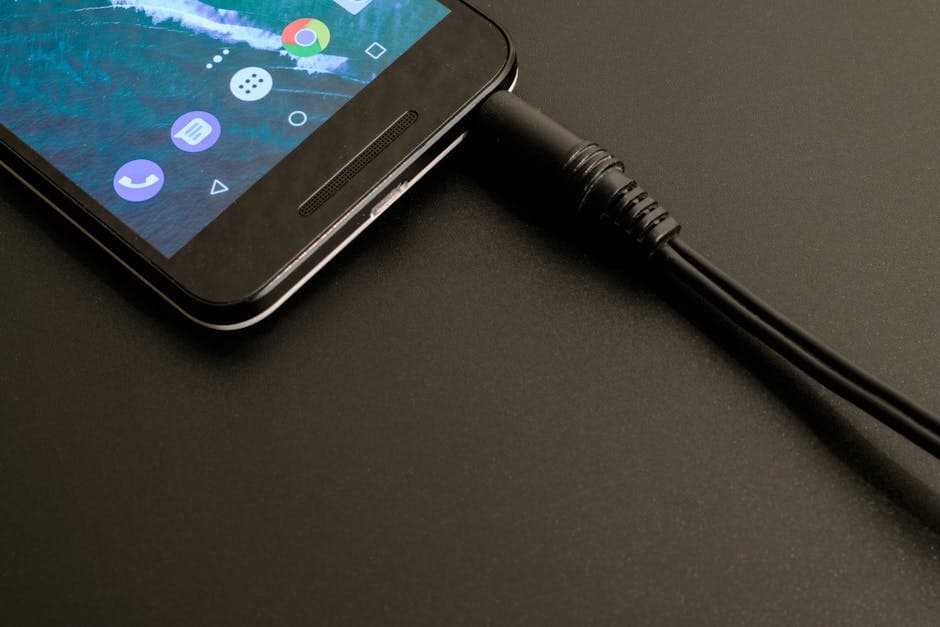
OnePlus claims the Nord CE6 lasts 2.5 days on a charge. After two weeks of real use, I got one full day—and found the gap between spec sheets and actual life matters most in the midrange.
OnePlus sent over the new Nord CE6 last month with a press release claiming "up to 2.5 days" of battery life. I believed them enough to live with it for two weeks. Not the way you "test" a phone—the way I test a phone. Real emails at 7 a.m., Instagram for 20 minutes on the commute, a Slack channel I check constantly, two hours of video watching, some light gaming, a bit of photography. The kind of life where you actually want your phone to survive.
Here's what happened: the Nord CE6 lasted a full day comfortably. Sometimes I hit bedtime with 30% left. On heavier days—lots of gaming or video—I squeezed into the evening and hit the charger around 9 p.m. And on one lazy Sunday where I barely touched the thing? Yeah, I could see a path to day two.
But 2.5 days? That's not happening unless you're texting sparingly and keeping the screen off. And that's the lie at the heart of how we talk about midrange phones now.
Why the Spec Sheet Matters Less Than You'd Think
According to OnePlus' official product specifications, the 8,000mAh battery delivers "up to 2.5 days of usage." The number is technically accurate—if you define "usage" as keeping your phone in your pocket. But battery marketing lives in a weird space: it's all technically true, yet somehow deeply misleading.
The problem isn't the phone. The Nord CE6 features a 6.78-inch 1.5K display with a 144Hz refresh rate, offering sharp visuals and fluid scrolling, and that screen is gorgeous. It also eats power. The OnePlus Nord CE6 runs the Snapdragon 7s Gen 4 processor, which is solid for the price, but a 144Hz panel running at full tilt against a mid-range chip is a tradeoff nobody talks about in the marketing deck.
Here's the real issue: OnePlus is banking on the idea that people buying a ₹30,000 phone ($360) care more about what the spec sheet says than what their thumb does every single day. And honestly? They might be right.
The Bigger Problem With Battery Marketing
I tested the Nord CE6 right after spending two weeks with the Nord 6 earlier this year. During my own testing of the Nord 6, I found it delivered roughly two full days of moderate battery life—hitting around 50-55% by the end of the first day and drained completely by the second night. OnePlus officially claims the Nord 6 can last "2.5+ days," but the gap between that spec and what I observed came down to screen brightness, app usage, and whether I was checking email or scrolling Twitter.
That's a 9,000mAh phone versus the CE6's 8,000mAh—basically a 1,000mAh gap. In real life, that gap feels like the difference between "I forgot to charge overnight and I'm fine" and "I better find an outlet before dinner."
The CE6 situation reveals something broken about the whole midrange segment. Manufacturers are chasing battery capacity like it's a horse race, strapping 8,000mAh cells into phones with 144Hz panels that actively work against endurance, then claiming victory because technically the numbers check out under lab conditions.
It's not a lie. It's worse—it's a fact that doesn't match how any actual person uses a phone.
What the CE6 Actually Does Well
Look, I'm not here to trash the phone. It supports 80W fast charging, and I tested it: from dead to 100% in about 55 minutes. The reverse charging actually mattered to me—I charged a friend's dead earbuds in my pocket. That's a real-world feature that works.
The phone carries IP66 and IP68 certifications covering dust resistance and submersion. I spilled coffee near it (panic), rained on it (relief), and kept using it. That durability promise isn't marketing fluff.
The camera system is honest, too. The 50MP main sensor with dual-axis OIS and the 32MP front camera both handle 4K video. Neither is flagship-level, but they're not pretending to be. They take photos. They take videos. They work.
Here's the Trade-off That Matters
If you're buying a phone because the battery icon matters more than anything else, the CE6 is still worth considering. A full day plus some spare cushion is real. An 80W charger means you're back to 100% in under an hour. The screen stays smooth even when you're pushing it hard because of that 144Hz refresh rate—and yeah, that refresh rate burns more power, but at least you see what you're paying for.
But if OnePlus tells you this phone delivers two-and-a-half days, don't believe them. Believe that it could in a theoretical world where you barely use it. In the real world—the one where you need your phone because it's your phone—the CE6 is a 24-to-30-hour device depending on what you do with it.
That's not bad. That's just not what the marketing says. And for the $360 price point, it's worth knowing the difference before you buy into the 8,000mAh story.
The midrange is where most people actually live. And that's exactly why the gap between what brands promise and what they deliver matters most.