Sony's 2028 Digital Shift: Is This the End of Game Ownership As We Know It?
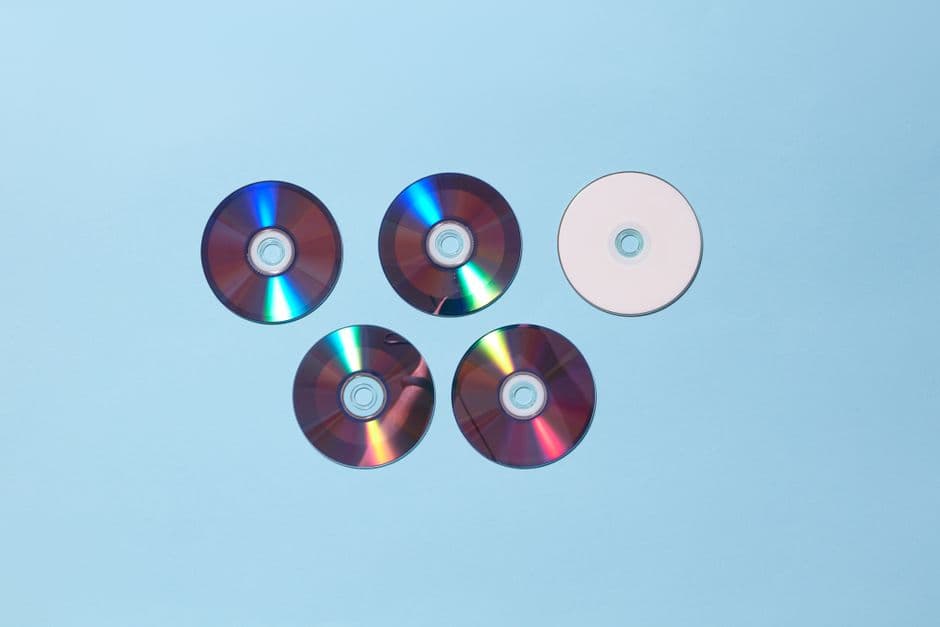
Sony's move to digital-only games by 2028 raises serious questions about true ownership, the future of resale, and the permanence of our digital libraries.
The clack of a game disc sliding into a console tray has been a ritual for decades. For many of us who grew up with the hum of a Genesis or the loading screens of a PlayStation, that physical object represented not just a game, but a tangible piece of our entertainment history. Now, a seismic shift is on the horizon, and it promises to fundamentally alter our relationship with the games we love. Sony's reported plan to cease production of physical game discs by 2028 for its PlayStation platform isn't just an incremental change; it's a declaration that the era of the disc is truly ending, and with it, a certain idea of "owning" a game.
This isn't entirely unexpected. The industry has been inching towards digital distribution for years. Steam on PC all but killed the boxed PC game decades ago, and mobile gaming has been digital-first from its inception. Even console manufacturers have been pushing digital storefronts with increasing fervor, offering digital-only console versions and incentivizing downloads. But this move by Sony, if it materializes as reported, is different. It’s a wholesale embrace of digital, leaving behind the last vestiges of a physical market for a major console player.
The immediate concern, of course, is what "owning" a digital game actually means. When you buy a disc, you possess a physical item. You can lend it to a friend, trade it in at a store, or simply keep it on a shelf as a memento. You control it, independent of any specific storefront or online service. A digital download, however, is essentially a license. You're granted permission to access the game, often through a proprietary platform like the PlayStation Store. This license can be revoked, the game can be delisted due to licensing issues or developer decisions, and if your account is compromised or banned, your entire library could disappear.
The implications for the resale market are equally stark. Think about the used game stores that have been a staple for budget-conscious gamers for generations. They rely on the trade-in of physical discs. Without them, that entire ecosystem collapses. While some might argue this is an inevitable evolution, it leaves many players in a precarious position. A game purchased today might be inaccessible tomorrow if the servers go down, the publisher folds, or the platform shifts its terms of service. We saw a glimpse of this potential fragility when numerous classic games were pulled from digital storefronts with little warning, leaving many scrambling to reacquire titles they thought were safely theirs.
Consider the long-term archival aspect. Physical media, while susceptible to decay, has a physical permanence. We can still play games from the Atari 2600 or the NES today, provided we have the hardware. Digital archives, however, are notoriously fragile. Server shutdowns, format obsolescence, and corporate decisions can erase vast swathes of digital content seemingly overnight. What happens to games released in 2027 that are only available digitally? If Sony were to sunset its digital store ten or twenty years down the line, those games could effectively cease to exist for all practical purposes, unless dedicated preservation efforts are undertaken – efforts that are often underfunded and reactive.
There's also the question of consumer choice and developer independence. Physical releases often provide a fallback. If a digital storefront is too expensive or has restrictive policies, a physical copy remains an alternative. For developers, especially smaller studios, physical distribution can still be a viable revenue stream and a way to reach audiences that might not be as engaged with digital marketplaces. Removing this option could further entrench the dominance of large publishers and digital platforms, potentially stifling innovation and creativity.
It’s easy to dismiss these concerns as the gripes of a nostalgic few, clinging to the past. But the ability to truly own something, to have uninhibited control over it, is a fundamental aspect of consumer rights. When we purchase a game, we should have a reasonable expectation that we can access it for the foreseeable future, regardless of corporate whims or technical failures. The shift to digital-only gaming, while offering undeniable conveniences like faster downloads and instant access, comes with a significant trade-off: a diminished sense of permanence and control.
This isn't about resisting progress. It's about questioning the direction and the consequences of that progress. As we hurtle towards a future where our entire entertainment lives are mediated by cloud servers and licensing agreements, it’s crucial to have a conversation about what we’re losing. Sony's move, while perhaps strategically sound from a business perspective, is a stark reminder that the convenience of digital may come at the cost of tangible ownership and long-term preservation. We need to demand greater transparency, stronger consumer protections, and a commitment to digital preservation from the companies that hold the keys to our virtual libraries. Otherwise, we risk becoming renters of our own entertainment, subject to the terms and conditions of platforms that could change at any moment. The death of the disc might signal a more streamlined future, but it also casts a long shadow over the idea of truly owning the games we play.
The Convenience Trap
The allure of digital is undeniable. Instant access, no more swapping discs, and often, the ability to download entire libraries. But this convenience comes with a price. When a game is tied to a platform that can shut down, or delisted due to licensing disputes, it’s not truly owned. This is the convenience trap: we gain ease of access in the short term, potentially at the expense of long-term availability. The games of our past, the ones we might want to revisit years from now, could vanish into the digital ether.
What About Indies?
For independent developers, physical releases have often provided a crucial avenue for reaching players and generating revenue outside the often-dominant digital storefronts. The move away from physical media could make it even harder for smaller studios to compete, potentially concentrating power further in the hands of major publishers and platform holders. This lack of physical choice could inadvertently homogenize the gaming landscape, favoring titles that can thrive solely within the digital ecosystem.
The Ghost of Gaming Past
When a physical disc is gone, so too is the potential for a secondary market. This impacts not only players looking to save money but also the entire ecosystem of repair shops, collectors, and those who simply enjoy the tactile experience of collecting games. It’s a tangible loss of cultural and economic value. The ability to buy, sell, and trade games has been a cornerstone of gaming culture for decades, and its dissolution through a digital-only future is a significant concern.