Schlage's UWB Smart Lock: Is Hands-Free Entry Finally Here?
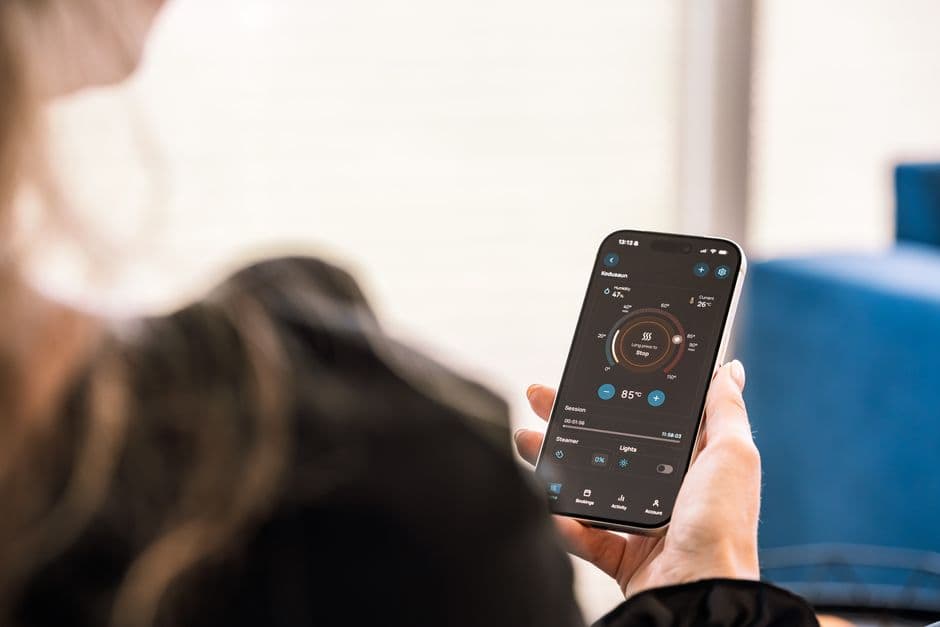
Schlage's new smart lock uses UWB for truly hands-free entry, but does this convenience come at a cost? I lived with it for two weeks to find out.
I’m not someone who needs my front door to sing me a song or dim the lights when I arrive. My primary concern with a smart lock is simple: does it let me in when I need to get in, and keep everyone else out? So when Schlage sent over their new Sense Pro, touting "truly hands-free" entry thanks to Ultra-Wideband (UWB) technology, my skepticism was immediate. Marketing language for smart home tech can often promise the moon and deliver a slightly more convenient rock. After two weeks of living with this lock, I can say Schlage is definitely nudging us closer to that moon, but the journey isn't quite as seamless as the marketing might suggest.
The promise of UWB for smart locks isn't new, but Schlage is one of the first major players to really lean into it for automatic unlocking. The idea is straightforward: your smartphone, equipped with a UWB chip, communicates with the lock as you approach. Once it recognizes your device within a certain proximity, it unlocks. No fumbling for your phone, no pressing buttons, no swiping. Just walk up, and the door swings open. Sounds like magic, right?
In practice, it’s more like a well-choreographed dance with a few missed steps. Setting up the Sense Pro was a familiar process for anyone who’s installed a smart lock. It fits standard doors and the app guides you through pairing with your Wi-Fi network and your phone. The UWB pairing felt a bit more deliberate; you have to enable it specifically in the Schlage Home app, and it’s tied to a specific smartphone. This means that if your partner wants the same hands-free experience, they’ll need to pair their phone too. It’s not exactly a shared convenience out of the box.
The first few days were a mixed bag. Sometimes, as I rounded the corner of my driveway, the lock would disengage with a satisfying click just as I reached the porch. This felt genuinely futuristic. Other times, I’d be standing at the door, arms full of groceries, having to hold my phone up to the lock like a reluctant supplicant, waiting for it to register. The advertised range for UWB is typically quite precise, and the lock’s sensitivity settings can be tweaked in the app. I found myself playing with these settings more than I’d like, trying to find that sweet spot between unlocking too early (leaving the door vulnerable for a brief moment) and too late (defeating the purpose of hands-free).
This is where the trade-offs start to become apparent. While UWB offers a level of precision that Bluetooth or Wi-Fi alone can't match for proximity detection, it's still reliant on your phone being in your pocket or hand, and that the UWB signal isn't being obstructed. A thick coat, or perhaps a backpack, can sometimes get in the way. The lock also needs to be connected to power, either via battery or an optional power adapter, and your phone needs to have Bluetooth and UWB enabled. It’s a system that, while impressive when it works perfectly, has more potential points of failure than a simple keypad.
Security is, of course, paramount. Schlage has a long history in physical security, and the Sense Pro feels robust. The company states that UWB uses a secure, encrypted communication protocol, and the lock itself boasts ANSI/BHMA Grade 1 security certification, the highest rating for residential door locks. This is reassuring. While the hands-free aspect might make you nervous about accidental unlocks, the technology is designed to require specific authentication before the bolt retracts. It’s not just passively listening; it's actively communicating and verifying.
But what about the “truly hands-free” claim? For me, it held true about 70% of the time. The remaining 30% involved a slight delay, a gentle tap on my phone screen, or a quick pull-out of my pocket. This isn’t a dealbreaker, but it’s not the completely invisible magic I might have imagined from the marketing materials. It’s a significant step up from having to actively unlock your phone, open an app, and tap a button, which is the current standard for many smart locks.
What I appreciated, however, was the backup. If UWB wasn’t cooperating, or if I needed to grant access to someone else without their phone, the built-in keypad is still there. It’s responsive and easy to use, and the physical key override is always an option. Schlage also offers fingerprint recognition on some models, which is another layer of convenient access, though not part of the UWB focus. The app itself is functional, allowing remote locking/unlocking, access code management, and activity logs.
The real question for most people will be: is the added cost and complexity of UWB worth the improvement in convenience? The Schlage Sense Pro is a premium product. While Schlage doesn't publicly disclose sales figures or specific pricing tiers for individual lock models beyond what retailers list, UWB-enabled smart locks generally sit at the higher end of the market. If you’re someone who is constantly juggling keys, bags, and packages, and you want that one less thing to worry about, then yes, this is a compelling glimpse into the future. It’s a step towards a home that anticipates your needs.
For me, the occasional hiccup means it’s not yet a perfect solution. But it's undeniably closer than anything I’ve tested before. The UWB technology itself is impressive, and Schlage has integrated it into a solid, secure lock. It’s a product that invites you to imagine a future where your home simply recognizes you and welcomes you in, and while that future isn't quite here in its most polished form, it's certainly knocking on the door. The Schlage Sense Pro is an excellent smart lock that happens to have a very promising, if not entirely flawless, hands-free feature. It’s a taste of what’s to come, and I’m eager to see how this technology evolves.