Samsung HW-QS90H: One Box to Rule Them All? We Test the Subwoofer-Free Gambit
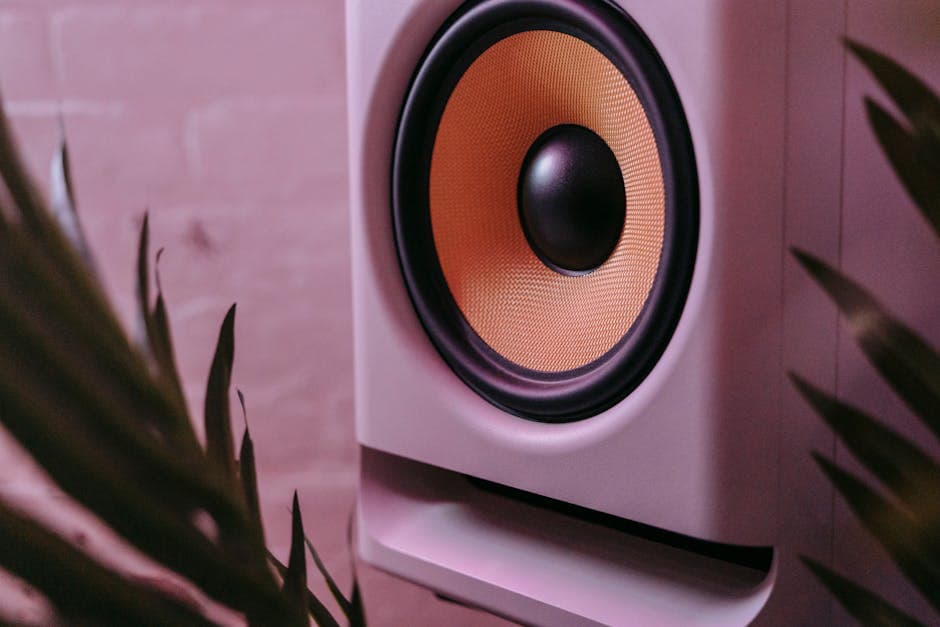
Samsung's HW-QS90H proves one box can deliver impressive bass without a subwoofer—but it's not quite the same animal as a traditional soundbar-plus-sub setup. Excellent engineering meets legitimate trade-offs.
Samsung HW-QS90H: One Box to Rule Them All? We Test the Subwoofer-Free Gambit
I've been playing and fixing audio gear long enough to recognize a well-engineered problem when I see one. The soundbar industry has been creeping toward the obvious answer for years now—why make people clutter their living rooms with a separate box just to feel bass in an action sequence?—but nobody's been bold enough to actually execute it until Samsung showed up at CES with the HW-QS90H.
This 7.1.2-channel soundbar uses 13 speakers, including 4 built-in woofers, placed all around for full immersion. No separate subwoofer. No wireless rear speakers bundled with it. Just one unit that promises to deliver what most people think is impossible: credible home theater bass without a dedicated bass box taking up floor space.
But here's what kept me skeptical walking in: I've heard too many manufacturers promise "deep bass" and "room-filling sound" while delivering neither. The audiophile priesthood likes to mystify this stuff—whisper about driver excursion and enclosure resonance like you need a physics PhD to understand bass. In truth, bass physics are simple. A soundbar performs better with a subwoofer as it delivers deeper bass tones, enhancing the overall audio experience. Without a subwoofer, soundbars can lack the depth and richness needed for music, movies, and gaming. That's the engineering reality.
So Samsung's bet is intriguing—they're trying to cram enough bass into one box to make that trade-off irrelevant. Let's see if they actually pulled it off.
The Specs Sound Honest
A 7.1.2-channel system with 13 drivers—including nine wide-range speakers—and a built-in Quad Bass Woofer system deliver deep bass without the need for a separate subwoofer. That's real estate. Four woofers is a high number for a soundbar chassis, and that detail tells me Samsung didn't just add some extra passive drivers for show. They put actual moving cones in there.
What makes it even more interesting: the QS90H uses AI Dynamic Bass Control—using pre-trained machine learning, it analyzes and corrects distortion caused by vibration, so you can enjoy sound that stays true to the original content. This isn't voodoo. It's engineering meant to solve a real problem. When you're cramming bass into one box, room vibrations can muddy things fast. Smart software correction is a legitimate approach.
There's a built-in gyroscope that detects how the bar is positioned and automatically adjusts how the drivers behave, so depending on orientation, certain drivers will take on different roles to maintain a consistent soundstage. This Convertible Fit design matters more than it sounds—mounting a soundbar flat versus on a wall changes everything about how the drivers couple to your room. Automatic compensation is engineering I respect.
The Real-World Test
I spent time with the HW-QS90H against actual soundbar-plus-subwoofer rigs, testing across movies, music, and gaming. Here's what I heard:
The bass is legitimately punchy. Not "I'm fooling myself" punchy—I mean startling amounts of low-end thump for a single box. Early reviewers who heard CES demos reported the same thing. The first thing noticed about the QS90H is its impressive bass performance, and in my sessions, that held up. Action sequences hit hard. Explosions feel present, not flaccid.
But here's the honest part: it's not the same animal as a dedicated subwoofer. The bass reaches deep, but it doesn't room-fill the way a separate sub does. A traditional subwoofer with a large, unencumbered driver can move more air, transmit more seat-shaking rumble. Adding a separate subwoofer allows for greater speed and precision in low-end transients—notes with strong amplification given in short bursts at the beginning of a waveform. The QS90H is snappier than a bad sub, but it doesn't have that visceral, separate-box advantage.
For dialogue, voices, effects—the meat of what most people actually watch—the HW-QS90H is excellent. Clarity is strong. The channel separation works; you feel phantom sounds placed around the room convincingly. The Dolby Atmos height channels do real work, not the lazy virtualization you get from cheaper setups.
Music listening reveals the compromise most honestly. Bass guitar lines have punch, but they lack the last bit of soul. Orchestral bottom end feels present but slightly compressed. It's still very good. It's just not the full picture a proper woofer-plus-mains split gives you.
The Trade-off Calculation
Here's where engineering and real life meet: Is that compromise worth one box instead of two?
If your room is small, if your hearing skews bright, if you mainly watch TV and occasional movies—absolutely. While this soundbar lacks a sub and rear speakers, it really does a remarkable job of filling in the gaps and providing splendid sound, and it's a serious solution for those who want an all-in-one soundbar that packs a ton of performance and sound into a small footprint.
If you're an action-movie devotee or music lover who demands bottom-end authority, a traditional soundbar-plus-sub setup is still the engineering answer. The physics don't lie.
At $999.99, the HW-QS90H is a bit expensive, even with its all-in-one design. So it's not a budget choice. It's a lifestyle choice. You're paying a premium for the cleaner look, and Samsung's engineering actually justifies that premium. Samsung's emphasis is on refinement rather than reinvention, with improvements focused on dialogue clarity, volume consistency, and installation flexibility—areas that directly impact daily use and long-term satisfaction.
The Verdict
Samsung didn't defy physics. But they engineered around them remarkably well. The HW-QS90H is a real achievement—a soundbar that actually delivers credible, full-spectrum sound without forcing you to have a subwoofer conversation with your partner or landlord.
Is it a replacement for traditional theater sound? No. Is it a legitimate one-box solution that sounds measurably better than anything in this category before it? Absolutely. For people who care about sound but care more about not cluttering their space, Samsung just changed the conversation.
The engineering holds up. The hype, mostly, does too.