Rocket Lab's Iridium Gamble: Orbiting Towards Communications Dominance?
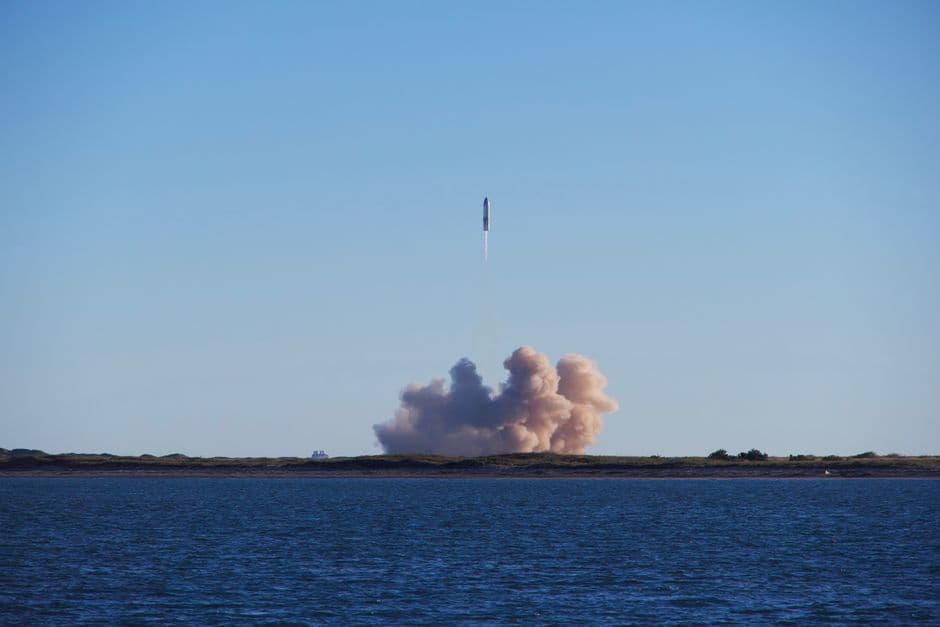
Rocket Lab's massive Iridium acquisition could make them a global communications giant, but is this bold move a strategic win or a celestial risk?
Rocket Lab, the company that’s steadily been becoming a go-to for launching small satellites, just made a move that’s less about blasting off and more about taking over. They’re planning to buy Iridium Communications in a deal reportedly valued at around $8 billion. This isn't just a minor upgrade; it’s a full-on engine swap that could dramatically change the landscape of satellite communications. Suddenly, Rocket Lab isn't just a launch provider anymore. They're eyeing a spot at the very top of the global communication pyramid, and it's a gamble that could either rocket them to new heights or leave them drifting in the void.
For years, Rocket Lab has carved out its niche by offering reliable, frequent launches for smaller payloads. Think of them as the nimble couriers of the space industry, getting your satellites where they need to go with remarkable efficiency. But owning the whole delivery network? That’s a different ballgame entirely. Iridium, on the other hand, is already a veteran player, boasting a constellation of 66 operational satellites that provide truly global voice and data coverage. They're the backbone for critical services, from maritime and aviation communications to emergency response and even some of our always-connected devices.
The immediate implication of this deal, if it goes through, is that Rocket Lab would gain a massive, established communications network. This isn't just about having customers for their rockets; it's about owning a direct pipeline to global connectivity. Imagine the synergy: Rocket Lab launches your satellite, and then you use the Iridium network it’s now part of. It's a vertical integration play that’s rare in the space sector, and one that could offer substantial advantages.
But let’s not get ahead of ourselves. This is an $8 billion price tag we’re talking about, and that kind of investment comes with serious questions. For starters, what does this mean for competition? Iridium is a major player, and absorbing it into Rocket Lab's fold could consolidate significant market power. The Federal Communications Commission (FCC) and other regulatory bodies will undoubtedly be scrutinizing this deal closely to ensure it doesn't stifle innovation or create monopolies in vital communication channels.
Then there’s the sustainability angle. Rocket Lab has built a reputation on agile, efficient operations. Can they maintain that ethos while integrating a behemoth like Iridium, which has its own established infrastructure, personnel, and operational complexities? The satellite communications market is already incredibly dynamic, with new technologies and competitors emerging regularly. Simply owning a large constellation doesn't guarantee future success. The cost of maintaining and upgrading such a vast network, especially as space debris becomes an ever-present concern, is substantial.
Think about it like this: if you’re a car reviewer, it’s one thing to praise the horsepower and torque of a sports car. It’s another entirely to assess the long-term maintenance costs, the availability of parts, and whether the infotainment system will be outdated by the time you finish paying it off. Rocket Lab is moving beyond the thrill of the launch into the more complex, long-haul journey of managing a global network.
One of the key challenges will be demonstrating how this combined entity can offer something truly superior to what already exists. Will they be able to offer more competitive pricing? Enhanced services? Perhaps a more integrated approach that leverages Rocket Lab’s launch capabilities to service and upgrade the Iridium constellation more efficiently than ever before? For instance, a more responsive launch schedule for replacement satellites could drastically reduce the downtime and associated costs for Iridium’s customers.
There's also the potential for innovation in how this network is utilized. With Rocket Lab managing both the launch and the communication backbone, they could potentially tailor solutions for emerging industries that rely heavily on satellite connectivity, such as advanced IoT applications, autonomous systems, or even the burgeoning lunar economy. The ability to deploy and maintain a robust satellite network with greater flexibility could be a significant differentiator.
However, the sheer scale of the undertaking is daunting. Iridium's network is a complex, global organism. Managing its ongoing operations, upgrades, and eventual next-generation replacements will require a deep understanding of satellite engineering, spectrum management, and international regulatory frameworks – areas that might be new territory for Rocket Lab, despite their space expertise. The financial commitment alone, beyond the initial acquisition price, will be enormous.
Ultimately, Rocket Lab's pursuit of Iridium feels like a bold declaration of intent: they’re not content to be just a part of the space ecosystem; they want to own a significant piece of its operational core. It’s a high-stakes play that could redefine their trajectory, moving them from a critical service provider to a central pillar of global connectivity. Whether this gamble pays off will depend on their ability to navigate regulatory hurdles, manage immense operational complexity, and ultimately, deliver value that justifies the extraordinary investment. It’s a story worth watching unfold, orbit by orbit.