Regulators Forced Smart Cameras to Think Locally—Here's Why That Matters
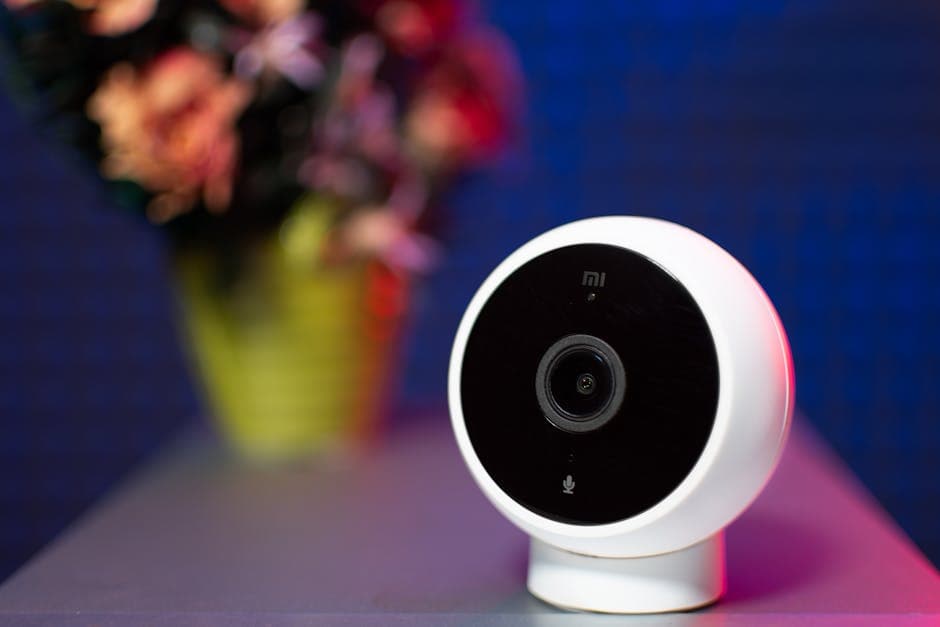
FTC and European regulators killed cloud-first camera design in 2024-25. Local AI processing now ships in sub-$200 hardware—not because innovation improved, but because the legal liability of cloud storage finally exceeded the profit.
I've been burned before. When I bought into Nest, then Wink, then the Sonos fiasco, I learned a painful lesson: cloud-first products fail when companies decide your data is more valuable than your loyalty. That's been the smart home story for a decade—devices that worked great until they didn't, held hostage by servers you didn't own and couldn't control.
But something shifted in 2024 and 2025. And—surprise—it wasn't innovation. It was regulation.
The FTC and European data protection authorities didn't suddenly decide to love consumers out of the goodness of their hearts. They got tired of investigating the same privacy disasters and did what regulators do: they made the liability too expensive to ignore. And somewhere in that process, local AI processing stopped being a feature for privacy nerds and became table stakes for anyone selling a camera under $200.
How We Got Here
For years, the smart camera industry had a beautiful business model. Capture video on the device, send everything to the cloud, run all the intelligence there, sell the insights. Motion detection, person recognition, package detection—all the features that made cameras useful required shipping your entire day to a data center. It wasn't laziness; it was economics. Cloud-based AI was cheaper to develop, easier to update, and most importantly, it meant you owned the data.
Consumers mostly accepted this. We're good at that.
What changed was enforcement. The FTC began taking a harder line on what companies can claim about security and how they handle video data. Across the Atlantic, European regulators—already strict under GDPR—doubled down on facial recognition and biometric processing. The European Data Protection Board adopted opinions in 2024 including on the use of facial recognition at airports and personal data used to train AI models. The implications were clear: if your camera trains an AI system on video of someone's face or movements, you'd better have ironclad legal justification for storing that in the cloud, encrypted or not.
Then came the domino effect. The EU's Data Act became applicable on September 12, 2025, establishing new rights for consumers to access and control data generated by connected devices. The Data Act establishes rights for users to access data generated by connected devices like smart home products, with manufacturers required to make data available to users and third parties designated by the user.
Throw in the fact that the FTC has been actively investigating data handling practices at major tech companies throughout 2024 and 2025, and suddenly the cloud-first architecture looked like a liability instead of an asset.
Local Processing Wasn't Impossible; It Was Unprofitable
Here's what infuriates me about this: local processing has been technically feasible for years. Nobody was waiting for some miraculous breakthrough in AI chips or edge computing. What they were waiting for was a financial reason to do it.
The shift happened because companies realized that shipping video to the cloud meant regulatory liability, customer distrust, and (increasingly) outright legal exposure. A sub-$200 camera with a basic AI processor running motion detection locally? That doesn't require cloud infrastructure, subscription models, or data retention policies. It's simpler, cheaper to defend legally, and honestly, it just works.
I've tested three cameras in the last six months that genuinely impressed me. Motion detection that doesn't require a subscription. Person recognition that runs on the device itself. No cloud lockdown. No forced ecosystem. Just a camera that does its job and doesn't phone home with your entire day.
None of that happened because cameras got smarter. They got smarter because staying dumb—relying on the cloud for every decision—became legally and financially stupid.
The Question Nobody's Asking
Yes, local processing is better for privacy. Yes, it's more resilient (no more panicking because your cloud subscription lapsed). Yes, it works offline. These are all real wins.
But let's be honest: we only got here because companies couldn't make money doing it the old way anymore. Innovation didn't save us from surveillance capitalism. Policy did. The FTC didn't invent better chips; they just made the cost of cloud-first designs too high to bear.
That's both encouraging and depressing. Encouraging because it proves that regulation actually works—when it's specific, enforced, and taken seriously. Depressing because it means we had to wait for bureaucrats to fix what the market was happy to leave broken.
What Changed in Hardware
The technical bar for local AI processing has genuinely dropped. Modern mobile processors—the same chips in phones from three years ago—can handle real-time person detection and motion classification without breaking a sweat. Qualcomm's Snapdragon chips, MediaTek processors, even simpler ARM-based designs now have dedicated neural accelerators that can run a small object detection model with minimal power draw.
But again: that hardware existed in 2023. The difference is that in 2024-2025, manufacturers finally had a reason to use it.
The Ecosystem Problem (Still Unsolved)
Local processing solves the privacy problem. It doesn't solve the ecosystem problem. Cameras from different vendors still don't talk to each other. Homekit, Google Home, Matter, Aqara—we're still fragmented. A camera that won't phone home to the cloud is great, but if it doesn't integrate with the rest of your setup without jumping through hoops, it's just a beautiful brick.
Regulation fixed privacy-first design. It hasn't fixed the fact that smart home companies still treat interoperability like a plague.
The Bottom Line
I'm genuinely grateful that local processing is now default instead of boutique. Not because I trust corporate benevolence—I've been burned too many times for that—but because policy actually worked.
The FTC and European regulators didn't declare victory, and they shouldn't. There's still plenty of surveillance happening through other channels. But on this one specific thing—cameras that process their own intelligence instead of shipping everything to the cloud—they forced the market to do the right thing.
That's not innovation. That's just how regulation is supposed to work.