Is Linux Breathing New Life into Old Laptops?
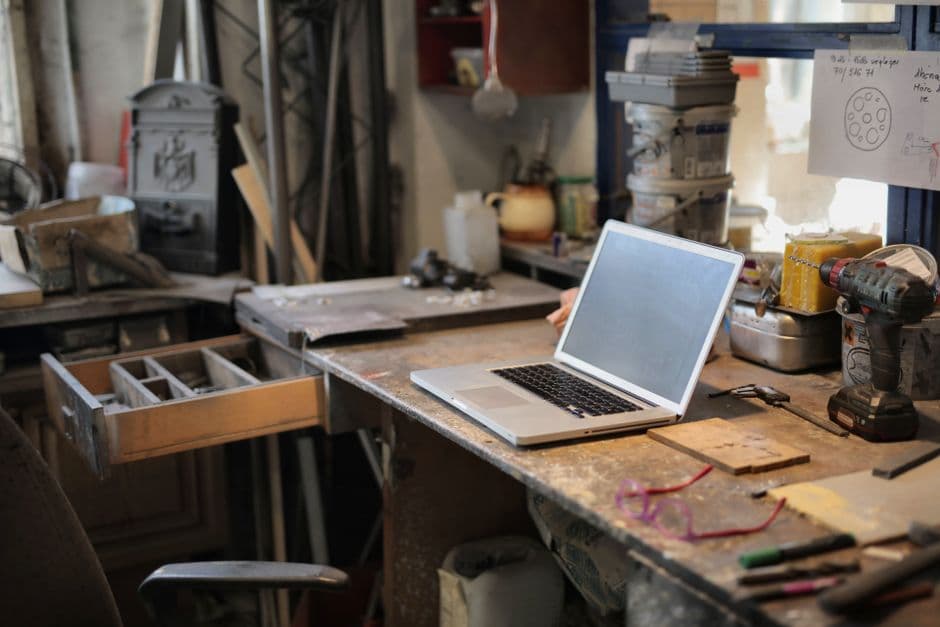
Forget constant upgrades. We're looking at Linux's surprising comeback on older hardware, fueled by affordability and a desire to ditch disposable tech.
There’s a hum in the tech world, and it’s not the whirring of a new, impossibly thin laptop’s fan. It’s the sound of older machines getting a second wind, powered by Linux. Forget the glossy brochures and the siren song of the latest silicon; a growing number of people are finding that their trusty, albeit dusty, laptops and desktops are far from dead. They're being resurrected with open-source software, proving that the relentless upgrade cycle might be facing a serious challenger.
This isn't just about enthusiasts tinkering in their garages, though there's definitely a healthy dose of that. We're seeing a more practical, widespread shift. The latest "Complete Revival Guide" for Linux on older hardware points to a trend driven by two powerful forces: the undeniable pinch of inflation and a burgeoning consciousness around sustainability. Why buy a new machine when your old one can be perfectly capable, even snappy, with a little OS refresh?
Think about it. Most modern operating systems and the applications they run are designed with the assumption that you have the latest hardware. This often means bloated software that demands more RAM, faster processors, and beefier graphics cards than your machine from, say, five years ago, can comfortably provide. Suddenly, that once-zippy laptop feels sluggish, leading you down the path of thinking it's time for an upgrade. But what if the problem isn't the hardware itself, but the software it's trying to run?
That's where Linux shines, especially on older configurations. Unlike proprietary operating systems that often lock you into specific hardware requirements and expensive licensing, many Linux distributions are remarkably lightweight and configurable. They can be tailored to sip resources rather than guzzle them. This means a machine that struggled with Windows 11 might fly with a distribution like Lubuntu, Linux Mint XFCE, or Pop!_OS.
I remember a friend's aging MacBook Pro. It was a workhorse in its day, but the latest macOS updates had turned it into a glacial paperweight. He was contemplating a very expensive new laptop, but instead, he decided to try installing a user-friendly Linux distro. The transformation was striking. Everyday tasks like browsing the web, checking email, and writing documents became fluid again. The cost? Essentially free for the OS, plus the time it took to install. That’s a far cry from the hundreds, if not thousands, of dollars for a new device.
This affordability aspect is undeniably a major draw. With global inflation affecting prices across the board, from groceries to gasoline, the idea of stretching the life of existing technology becomes incredibly appealing. A survey by Statista in 2023 indicated that a significant portion of consumers were delaying technology purchases due to economic concerns. Linux offers a tangible solution for those who need a functional computer but are hesitant to make a large financial outlay.
Beyond the wallet, there's a growing movement focused on environmental responsibility. The constant churn of electronic waste, or e-waste, is a massive global problem. Manufacturing new electronics consumes vast amounts of energy and resources, and when devices are discarded prematurely, they often end up in landfills, leaching harmful chemicals. Reviving older hardware with Linux is a direct act of defiance against this disposable culture. It’s about choosing repair and reuse over instant replacement.
The sustainability argument is gaining traction. Organizations and individuals are increasingly aware of their environmental footprint, and extending the lifespan of electronics is a practical way to reduce it. Instead of a new device every few years, if you can get a decade or more out of your existing hardware by simply swapping out the operating system, the environmental benefits are substantial. There's a growing repository of guides and communities dedicated to this purpose, reflecting a shared commitment to reducing tech waste.
The "Complete Revival Guide" isn't just a technical manual; it represents a cultural shift. It acknowledges that performance isn't solely defined by GHz and GB of RAM. It’s about usability, efficiency, and getting the job done without unnecessary strain on your system or your finances. For many, the transition to Linux on older hardware isn't a compromise; it's an upgrade in practical terms.
Of course, it’s not all plug-and-play for everyone. Some specialized software might not have direct Linux equivalents, although Wine and virtual machines can often bridge the gap. And while many Linux distributions are incredibly user-friendly, there can be a learning curve, especially for those accustomed to the visual language of Windows or macOS. But for tasks that don't require niche professional applications, the experience can be surprisingly seamless.
The resurgence of Linux on older hardware is more than just a niche trend; it’s a logical and responsible response to the economic and environmental realities of our time. It’s about reclaiming older machines from the scrap heap and giving them a new purpose. It’s a powerful reminder that sometimes, the most innovative solutions aren't about the newest technology, but about making smarter use of what we already have. So, before you send that old laptop to the recycling center, consider giving it a Linux makeover. You might be surprised at how much life is left in it.