Host Your Own Site for Pennies: Reclaim the Internet
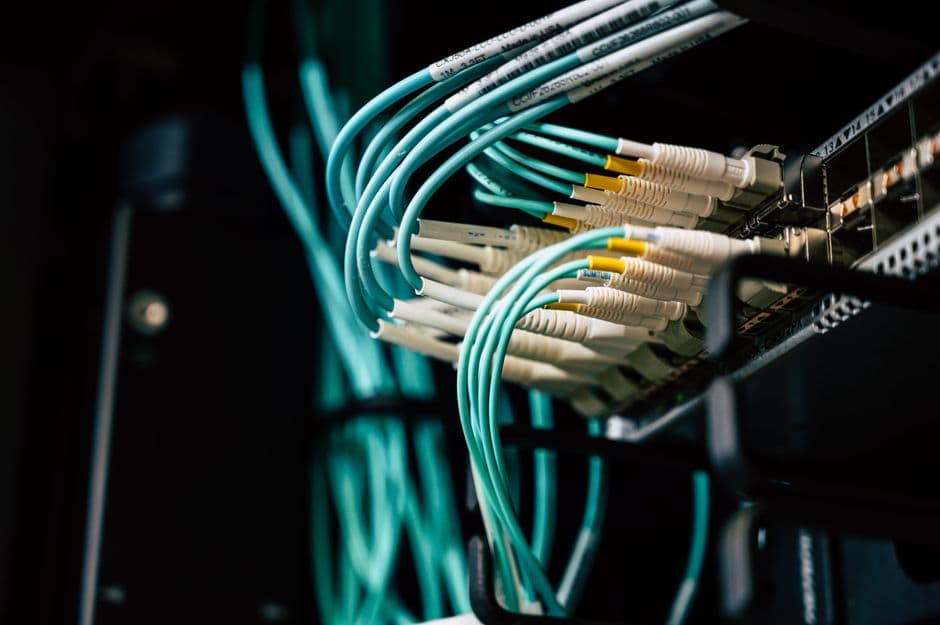
You don't need a massive platform to own your digital footprint. Running your own site for pennies a day is about autonomy, not just cost-saving.
The internet stopped feeling like a wild frontier a long time ago. Now, it feels like a collection of walled gardens managed by three or four massive companies. We trade our digital lives—our thoughts, our photos, our archives—for the convenience of free hosting. But the price of that "free" service is becoming obvious: your data is the product, your URL is subject to the whims of an algorithm, and if a platform decides to pivot, your content is essentially held hostage.
After running my own independent site for the last few months, I realized the transition isn't about being a server-side engineer. It’s about taking back the keys to your house.
The Cost of Autonomy
Most people assume that "self-hosting" requires a closet full of humming hardware and a computer science degree. That is a myth propped up by companies that want you to keep paying for managed subscriptions. You can run a clean, modern, text-focused site using a basic Virtual Private Server (VPS) for a fraction of what you’d pay for a premium subscription to a site builder.
For instance, DigitalOcean offers "droplets" starting at a few dollars per month, which is more than enough to host a static site or a lightweight content management system. If you want to go even leaner, static site generators like Hugo or Jekyll can be hosted for free on GitHub Pages. When you strip away the bloat of proprietary platforms, the overhead of existing online drops to nearly nothing.
This isn't just about the monthly bill. It’s about the permanence of your work. When I write a post on my own domain, I don't worry about whether the platform will change its terms of service or suppress my reach to push me toward paid advertising. I own the files. I own the database. If I decide I don’t like my current host, I can move my entire site to a different provider in an afternoon.
The Tradeoff: Responsibility
The catch is that there is no "customer support" button for your personal site. If the site breaks, it’s on you. This is the part that scares most people away, but it’s also where the real learning happens. When you host your own site, you become the administrator. You learn how DNS records actually work rather than just clicking "connect" in a wizard. You learn that your site’s speed is directly related to how much junk code you pack into your templates.
I spent a weekend setting up a simple Nginx web server, and while it wasn't as frictionless as signing up for a blog service, it changed how I look at the web. I stopped using heavy themes that load a dozen tracking scripts just to display a paragraph of text. My site now loads almost instantly, and it doesn't try to track the people reading it. That is a luxury you rarely get on mainstream publishing platforms.
The Web Without Middlemen
There is a growing movement of people who are tired of the "social web" and are retreating to their own digital corners. Tools like WordPress (the open-source software, not the hosted platform) are still the gold standard for a reason: they are flexible and they belong to the community.
Using your own domain name—which usually costs about ten to fifteen dollars a year—is the most important step. It creates a permanent address that points to whatever server you choose. Whether you are using a managed host or a bare-bones VPS, that address remains yours.
If you are a photographer, a writer, or just someone who wants a place for your thoughts, the convenience of a "free" social media account is a trap. You are spending your time and creativity to build value for a company that can delete your account with a single automated flag.
Setting up your own site doesn't mean you have to stop using social media, but it does mean you stop treating it as your primary home. Use social media to point people to your home, not to replace it. Once you start owning your stack, you stop feeling like a guest on someone else’s platform. You start feeling like a resident of the web again. It’s quiet here, it’s fast, and best of all, it’s actually yours.