Burner Phones and the FCC: More Privacy Worries Than Security Gains?
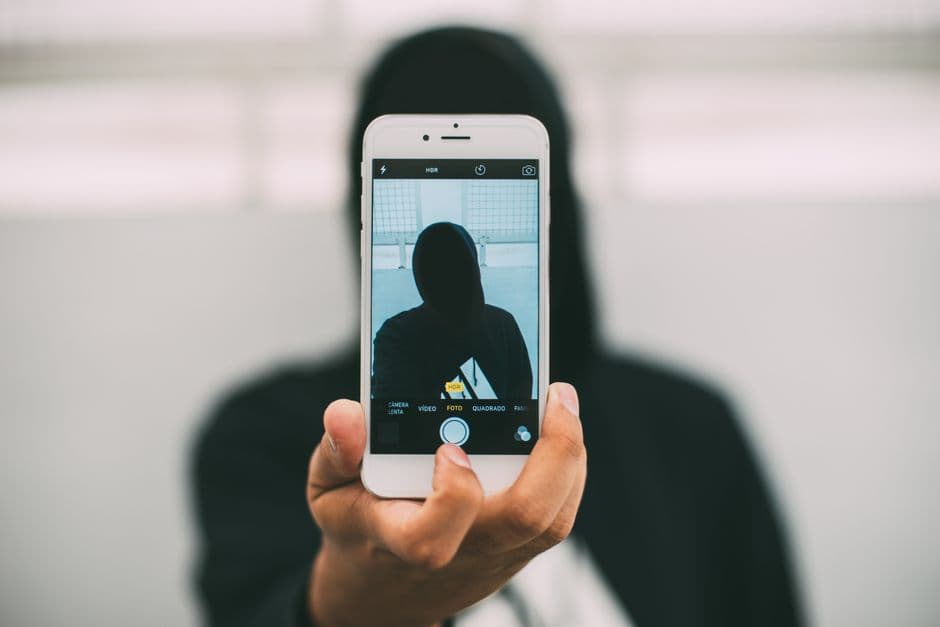
The FCC's push to require IDs for prepaid phones has privacy advocates and domestic violence groups sounding alarms. We look at the potential privacy fallout and what alternatives might exist.
It’s easy to dismiss burner phones as tools for the illicit, but the reality is far more nuanced, and a recent FCC proposal has privacy advocates and some very vulnerable groups deeply concerned. The Federal Communications Commission is considering a rule that would require carriers to collect identifying information from customers purchasing prepaid mobile phones, often referred to as "burner phones." The stated goal? To enhance national security and public safety by making it harder for criminals and terrorists to operate anonymously. However, many argue this mandate could end up being a significant blow to the privacy of ordinary citizens and an actual impediment for those most in need of discreet communication.
The FCC's proposal, which has been in discussion for some time, centers on the idea that by linking a phone number to an identifiable individual, law enforcement would have an easier time tracking down suspects. This is particularly relevant in cases involving threats, harassment, or other crimes where anonymous communication is a hallmark of the perpetrator. The Commission has pointed to the need to balance privacy with security, a tightrope walk that often sparks considerable debate.
However, the pushback has been swift and vocal. Organizations like the Electronic Frontier Foundation (EFF), a leading digital privacy advocacy group, have been vocal critics. The EFF argues that mandating ID for prepaid phones erodes anonymity and creates a chilling effect on free speech, as people may self-censor their communications if they know they are being monitored. This concern is not just theoretical. In countries where similar identification requirements are in place, there have been documented instances of governments using this data to track dissidents and suppress dissent. While the US has a different legal and cultural context, the precedent raises questions about where such a requirement could lead.
What’s particularly compelling about the opposition is the range of groups raising red flags. Beyond civil liberties organizations, domestic violence advocacy groups have also voiced serious concerns. For individuals fleeing abusive relationships, a prepaid phone offers a lifeline for safe communication. It allows them to stay in touch with support networks, legal aid, or shelters without their abuser being able to easily track their movements or communications through traditional, traceable phone plans. Requiring identification for these phones could effectively strip away this crucial layer of safety, leaving them exposed and at risk. The anonymity provided by a prepaid phone isn't about hiding illegal activity; for many, it's about personal safety and survival.
The argument from these groups is straightforward: if an abuser can easily find out that a victim has purchased a prepaid phone, they might be able to track that victim down. This could mean the difference between safety and continued abuse, or worse. The idea of a mandated ID system for these devices presents a direct conflict between a broad, hypothetical security benefit and a very real, immediate safety concern for a vulnerable population.
Beyond the privacy and safety implications, there are practical questions about the effectiveness of such a mandate. Criminals intent on anonymity have historically found ways to circumvent such regulations. This could involve using stolen identities, purchasing phones in bulk in ways that obscure the end user, or turning to alternative communication methods altogether. The EFF, for instance, has pointed out that simply requiring an ID doesn't guarantee that the information collected is accurate or that it will be effectively secured against data breaches. A system that collects sensitive personal data could itself become a target for hackers, creating a new set of risks.
So, if the goal is to enhance security without sacrificing fundamental privacy rights and without hindering the safety of vulnerable individuals, what are the alternatives? Law enforcement already has a range of tools at its disposal, including court orders and warrants, to obtain subscriber information when there is probable cause of criminal activity. These existing legal frameworks, while requiring a judicial process, are designed to balance investigation needs with privacy protections. The question is whether the proposed mandate is a necessary escalation or an overreach.
Some have suggested that focusing on strengthening existing legal pathways for obtaining subscriber data, rather than a blanket ID requirement, could be a more targeted approach. Others point to technological solutions that focus on secure, encrypted communication platforms as a way to track illicit activity without compromising the privacy of everyday users. The challenge, of course, is finding solutions that are both effective and respectful of civil liberties.
The FCC's consideration of this ID mandate for prepaid phones highlights a recurring tension in the digital age: how to maintain security in an increasingly interconnected world without eroding the personal freedoms that are foundational to a democratic society. The debate is not just about phones; it’s about who controls our personal data and the extent to which we should expect anonymity in our digital lives. As the FCC weighs its decision, the voices of those concerned about privacy and safety deserve careful consideration. The potential consequences of a misstep could be far-reaching, impacting millions of users and potentially undermining the very security it aims to bolster.