Apricot Computers: The Quiet British Innovator That Taught Us About Practical PCs
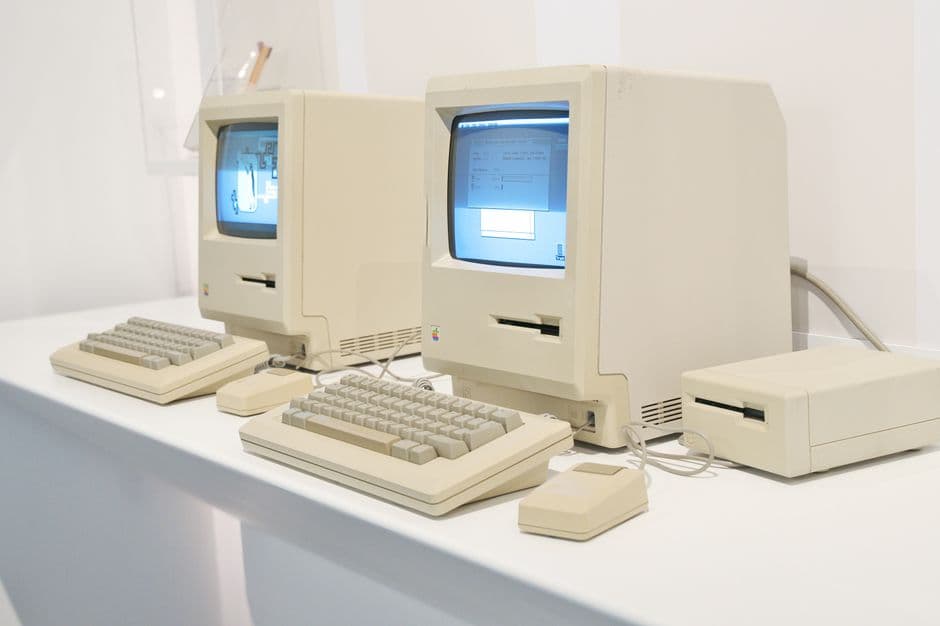
Before tech titans dominated, Apricot Computers offered user-friendly designs. We look back at this underrated British brand and its enduring lessons in sensible computing.
Before the likes of Apple and Microsoft became household names, and long before the internet connected everyone, the personal computer landscape was a different beast. In the UK, during the 1980s, a company called Apricot Computers emerged, carving out a space for itself with a focus on practicality and user experience that feels remarkably relevant even today. It wasn't about flashy interfaces or chasing the bleeding edge; it was about making computing accessible and genuinely useful.
I cut my teeth building PCs in middle school, so I’ve always had an appreciation for machines that prioritize function. The allure of raw power is undeniable, but there’s a deeper satisfaction in a well-designed, reliable piece of kit that just works. Apricot Computers seemed to understand that. Founded in 1981 by a group including entrepreneur Bob Clarke, the company quickly established itself as a serious player in the business-oriented PC market, distinguishing itself from many of its contemporaries.
What set Apricot apart from many of its international competitors was a commitment to thoughtful design. Take, for instance, the Apricot portable computer, released in 1984. While the term "portable" today often means a sleek laptop, back then it was more about a self-contained unit. The Apricot portable featured two built-in 3.5-inch floppy disk drives, a clever detachable keyboard, and a monochrome monitor. Critically, it was designed with an emphasis on ergonomics and ease of use, a stark contrast to some of the more cumbersome machines of the era. It wasn't the most powerful machine on the market, but it was designed to be integrated into an office environment with minimal fuss.
Another key differentiator was Apricot's approach to operating systems and software. While many companies relied heavily on MS-DOS, Apricot often offered its own user-friendly interface, the Apricot User Interface (AUI), which aimed to simplify navigation and command-line interactions. This focus on a more intuitive user experience foreshadowed the graphical user interfaces that would later become standard. They understood that for computing to truly take hold, it needed to be less intimidating.
The company also wasn't afraid to innovate with hardware. The Apricot F1, released in 1985, was a compact desktop machine that pushed the boundaries of what a home or small business computer could be. It featured a unique vertical motherboard design to aid cooling and a bundled software suite designed to get users productive immediately. This wasn't just about selling hardware; it was about providing a complete solution.
Apricot’s impact wasn’t just in the machines themselves, but in the market perception they helped shape. They demonstrated that there was a significant demand for computers that were not only capable but also approachable. In a tech world that can often feel like a race to the most complex features, Apricot’s pragmatism offered a refreshing counterpoint. They aimed for a sweet spot: good performance, reliable construction, and a price point that made sense for businesses looking to invest in technology.
Of course, the personal computer industry is a notoriously competitive and fast-moving arena. Apricot, like many companies of its era, faced immense pressure from larger, better-funded American corporations. While they achieved significant success in the UK and parts of Europe, the global dominance of IBM, Apple, and eventually Microsoft, made it challenging to maintain their independent trajectory. Acquisitions and shifts in the market eventually led to the Apricot brand fading from prominence.
However, the legacy of Apricot Computers is worth remembering. They were a British tech success story that prioritized practical innovation. Their emphasis on user-friendliness, integrated solutions, and sensible design choices offered a glimpse into the future of personal computing – a future where technology serves people, rather than the other way around. It's a lesson that still holds weight today, especially as we navigate an increasingly complex digital world. Sometimes, the most revolutionary ideas aren't the flashiest, but the ones that simply make things better, more accessible, and more reliable. It’s the computing equivalent of choosing the tried-and-true wrench over the fancy, untested gadget.
<div class="summary"> <p>Apricot Computers offered practical, user-friendly PCs in the 1980s, standing out with thoughtful design and accessible interfaces before American tech giants fully dominated. Their legacy emphasizes sensible innovation.</p> </div>