Anker's Sleep Earbuds: An Affordable Ticket to Silence
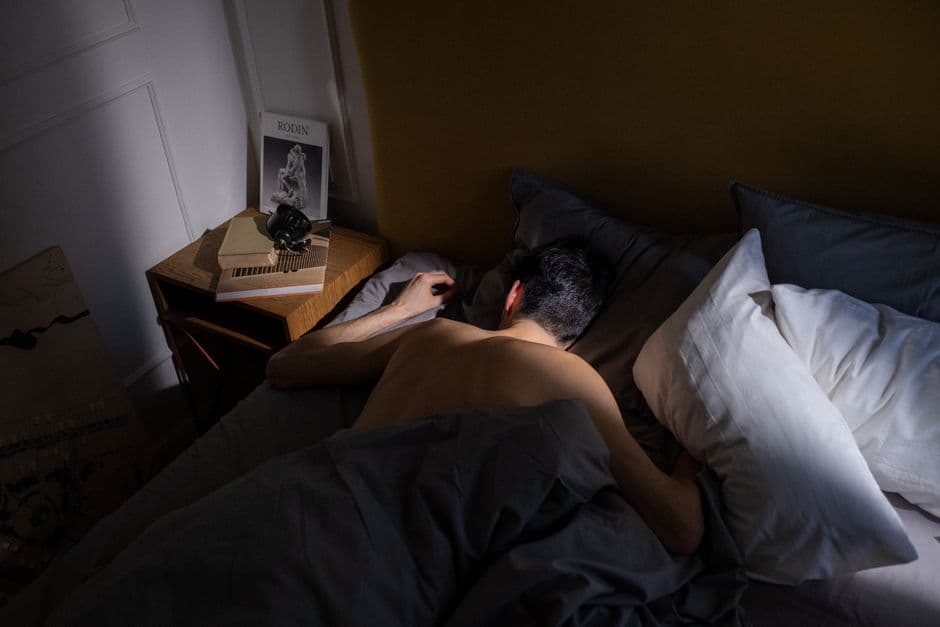
Anker's Soundcore Sleep A20 earbuds promise a quieter night's sleep with active noise blocking. I put them to the test to see if this budget-friendly solution truly delivers.
There are plenty of ways to spend your hard-earned cash on gear that promises sonic bliss. High-end headphones, audiophile-grade amps, the whole nine yards. But for me, the ultimate test of a piece of audio tech isn't how it reproduces a complex jazz improvisation or the thunderous roar of a movie soundtrack. It's about what it doesn't let through. Specifically, the low-frequency hum of my neighbor's HVAC unit, the phantom footsteps of late-night dog walkers, or the general cacophony that seems to sprout from the darkness when I'm just trying to catch some Zs. That’s where Anker’s Soundcore Sleep A20 earbuds come in.
I've always been a light sleeper. This isn't a new affliction. I've tried earplugs that feel like shoving tiny foam sausages into your ear canal, bulky noise-canceling headphones that make you look like you're about to conduct an orchestra in bed, and even white noise machines that, while sometimes soothing, can also feel like you're sleeping inside a poorly tuned radio. So, when the pitch for these affordable sleep-focused earbuds landed, my ears (pun intended) perked up. The promise: a more peaceful night's rest without breaking the bank. The Sleep A20s are currently available at a discount, which piqued my interest even further.
Anker, through its Soundcore brand, has a reputation for delivering solid audio performance at accessible price points. They aren't usually chasing the bleeding edge of audiophile perfection, but they often hit a sweet spot of value and quality that makes sense for everyday users. The Sleep A20s aren't about delivering the most pristine sound reproduction. Their primary mission is noise reduction, and they employ a two-pronged approach: passive isolation and what Anker calls "Smart Noise Masking."
First Impressions and Fit
Out of the box, the Sleep A20s look decidedly minimalist. They’re small, unobtrusive buds with a very shallow insertion profile, which is crucial for sleeping. Unlike many earbuds that have a stem or require a deep, firm fit, these are designed to nestle comfortably. They come with a variety of silicone ear tip sizes and wing tips, and finding the right combination for a secure yet gentle fit took a few tries. The key is to achieve a good seal without any pressure points that will become agony after an hour. I eventually settled on the medium tips and smallest wing tips, which provided enough stability without feeling intrusive. They're also remarkably lightweight.
The charging case is compact and feels robust, similar to what you'd expect from Soundcore. It's small enough to slip into a pocket or keep on a bedside table without being an eyesore. Charging is via USB-C, a welcome standard.
The Sound Masking System
This is where the Sleep A20s diverge from a typical pair of noise-canceling earbuds. Instead of simply trying to cancel out ambient sound with inverse frequencies (Active Noise Cancellation, or ANC), these buds use a system Anker calls "Smart Noise Masking." The idea is to play specific, low-volume soundscapes designed to cover up and distract from disruptive noises. When you enable this via the Soundcore app, you can choose from a library of sounds: gentle rain, white noise, a fan, ocean waves, a campfire, and even a few more abstract options like "birds" or "cricket."
The app itself is straightforward. You can select your soundscape, adjust its volume independently of any other audio, and set a sleep timer. This is a smart feature; nobody wants to listen to rain all night if they're just trying to drift off. The app also allows you to update the firmware and customize EQ settings, though for sleep, EQ is less of a concern than consistent, unobtrusive sound.
In Practice: A Quieter Night?
This is the moment of truth. I spent several nights with the Sleep A20s. The first night, I opted for the "gentle rain" soundscape at a low volume. The passive isolation from the ear tips alone did a decent job of dulling the usual apartment building noises. When the rain started, it was subtle. It wasn't an overwhelming deluge, but rather a soft, repetitive pattern that seemed to smooth out the edges of other sounds. The neighbor's dog barking outside became less of a sharp intrusion and more of a muffled annoyance. The HVAC unit's hum faded further into the background.
The key here is subtlety. It's not about creating a dead silence, which can sometimes be more unsettling than ambient noise. It's about introducing a layer of sonic texture that makes the distracting sounds less prominent. Imagine painting over a scuff mark on a wall. You're not erasing the original paint, but you're making the imperfection far less noticeable.
I experimented with other soundscapes. White noise is, predictably, effective. The "ocean waves" offered a more naturalistic variation. The "campfire" had a crackling element that was surprisingly pleasant. The crucial factor is finding a sound that you personally find soothing and that effectively masks the noises that bother you most. This is subjective, of course, but Anker provides enough variety to increase the odds of finding a match.
Trade-offs and Considerations
Are these perfect? No. If you're looking for deep, powerful ANC to completely eliminate the rumble of a jet engine or the clatter of a busy construction site, you'll likely need to look at more expensive, dedicated ANC earbuds or headphones. The Sleep A20s are designed for the more common, everyday disturbances of a domestic environment.
One point of caution: ensure you find the right fit. If the earbuds aren't sealed properly, the passive isolation is compromised, and the noise masking won't be as effective. Also, while Anker states they are "comfortable for all-night wear," comfort is intensely personal. If you're someone who can't stand anything in your ears at all, even these might be a bridge too far. However, compared to most traditional earbuds, their shallow insertion and lightweight design are a definite advantage for side sleepers.
Battery life is rated at up to 10 hours on a single charge, with the case providing an additional 50 hours. For a full night's sleep, this is more than sufficient, and the rechargeable case means you’re not constantly worrying about them dying mid-slumber.
The Verdict: Worth a Shot?
For anyone who struggles with sleep due to ambient noise and has been hesitant to invest in expensive solutions, Anker's Soundcore Sleep A20 earbuds present a compellingly affordable option. They aren't trying to be the ultimate audio companions; they are functional tools for a specific purpose: making your nights quieter. The Smart Noise Masking system, coupled with decent passive isolation, effectively smooths out common disturbances.
The discount currently available makes them even more attractive. If you've found yourself tossing and turning, listening for every creak and groan of the night, these might just be the simple, effective, and budget-friendly answer you've been searching for. They won’t revolutionize your sleep like a magic pill, but they offer a practical, noticeable improvement for less than the cost of a good meal out. And for a musician who often craves silence after a loud gig, that’s a tune I can definitely appreciate.