Amazon's Kuiper Constellation Hits Orbit: A New Era for Global Internet?
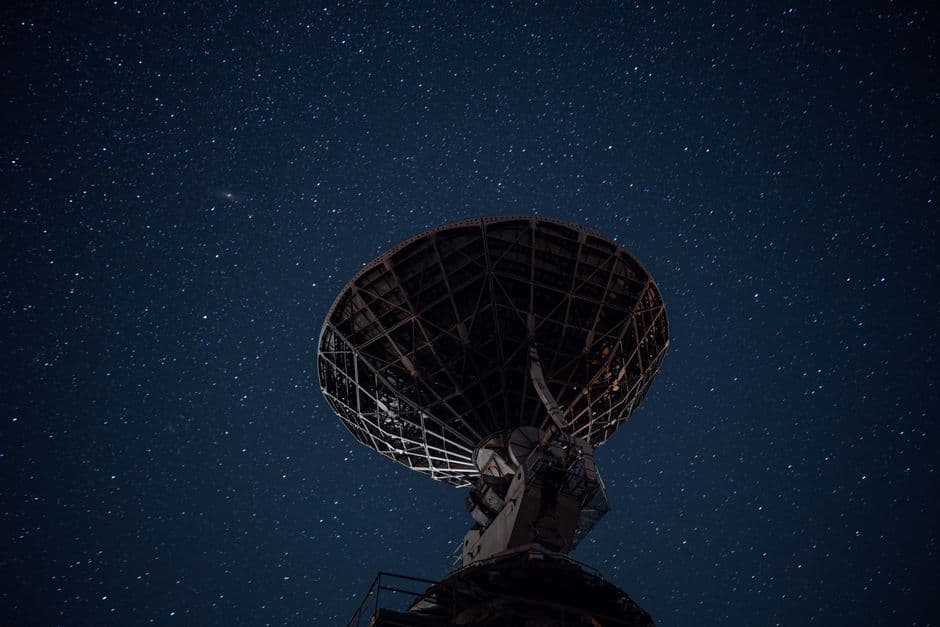
Amazon's Project Kuiper has deployed enough satellites for continuous service, signaling a new era for global internet access and a serious challenge to existing satellite providers.
It’s one thing to talk about a satellite internet constellation, and it’s another to see it actually start to hum. Amazon's Project Kuiper has officially crossed a significant threshold: enough of its satellites are now in orbit to provide continuous service. This isn't just another notch on the belt for Amazon's ambitions; it's a signal that the promised global internet service is moving from theory to reality, and it's bringing some serious competition to the table.
For years, the dream of providing high-speed internet to every corner of the globe has been pursued by a select few. SpaceX’s Starlink has been the most visible player, weaving its own web of satellites. Now, Amazon is stepping up with Kuiper, and with this "enough satellites" milestone, the game is getting a lot more interesting. What does this mean beyond just more blinking lights in space? It means a potential seismic shift in who gets connected, how quickly, and at what cost, especially for the places that have historically been left behind by terrestrial broadband.
The core idea behind these mega-constellations is simple, if incredibly complex to execute: launch thousands of satellites into low Earth orbit (LEO). Because they’re closer to the ground than traditional geostationary satellites, they can offer much lower latency – that infuriating lag you get with some internet services that makes video calls stutter and online gaming a frustrating experience. Kuiper aims to blanket the planet with this lower-latency connection.
Amazon has been quietly laying the groundwork for Kuiper for a while. They secured a significant chunk of spectrum from the FCC for their satellite network, a crucial step that dictates how their signals will travel and interact with others. And while they haven't been as overtly public with their launches as Starlink, they've been steadily putting satellites into orbit. The recent announcement confirms they've reached a point where their operational satellite count is sufficient to begin offering a consistent service. This is often referred to as achieving a "contingency," meaning they have enough redundancy built in that even if a satellite or two encounters an issue, the network can continue to function without significant interruption.
The implications of this are far-reaching. Think about rural communities, remote areas, or even disaster zones where laying down fiber optic cable is prohibitively expensive or simply impractical. Satellite internet has always been the solution, but historically, it’s been a compromise. Speeds were often slow, and latency was high, making it suitable for basic browsing but not much else. Kuiper, alongside Starlink, promises to change that narrative. They're aiming for speeds that can compete with traditional broadband, potentially unlocking new opportunities for education, business, and communication in places that have been digitally isolated.
Of course, the elephant in the room is Starlink. SpaceX’s venture has already proven the viability of a LEO satellite internet service and has a significant head start in terms of deployed satellites and customer base. Amazon's entry, however, brings the might of one of the world's largest companies into the fray. This isn't just a tech startup trying to make it big; it's an established behemoth with deep pockets and a global logistics network that could prove invaluable for deployment and customer support.
The competition between Kuiper and Starlink is likely to heat up. More players in the market usually means better service and lower prices for consumers, which is a win for everyone, especially those currently struggling with poor internet options. We’ve already seen Starlink’s pricing evolve as its network has grown. It will be fascinating to see how Amazon positions Kuiper’s offerings and what kind of pricing structure they adopt. Will they aim for a premium offering, a budget-friendly alternative, or something in between? Given Amazon's history with services like Prime, a tiered approach seems plausible.
Beyond just consumer internet, constellations like Kuiper have the potential to power a range of other services. Amazon has already floated ideas about using Kuiper to enhance its own operations, such as improving connectivity for its fulfillment centers. There's also the potential for business-to-business services, providing reliable internet for enterprises operating in challenging locations, or even powering advanced IoT (Internet of Things) applications that require constant connectivity.
The engineering behind these systems is mind-boggling. Thousands of satellites need to be launched, precisely maneuvered, and kept in constant communication with ground stations and user terminals. The satellites themselves are also sophisticated pieces of technology, designed to be compact, efficient, and capable of forming a robust network. Amazon has highlighted the development of its own customer terminals, aiming for ease of installation and performance that can rival anything else on the market. This user-facing hardware is critical; the most advanced satellite in the sky is useless if the dish on the roof can't connect to it reliably.
There are, of course, ongoing discussions and concerns about the proliferation of satellites in LEO. Astronomers worry about light pollution from thousands of bright satellites interfering with ground-based observations. There are also concerns about space debris and the long-term sustainability of operating such massive constellations. These are important issues that the industry, including Amazon, will need to address responsibly as the number of satellites continues to grow.
But for now, the focus is on the immediate impact. Amazon’s Kuiper constellation reaching operational status means more people could soon have access to high-speed internet. It means the digital divide might start to shrink, not by inches, but by leaps. It’s a reminder that the quest for universal connectivity is far from over, and with major players like Amazon now firmly in the game, the pace of innovation and deployment is only going to accelerate. It's exciting to think about what this means for the next generation of internet users, especially those who have lived in the shadows of the digital world for too long. This isn't just about more satellites; it's about more opportunities for everyone else.