AI's Electric Hunger: How Data Centers Are Powering a Grid Crisis
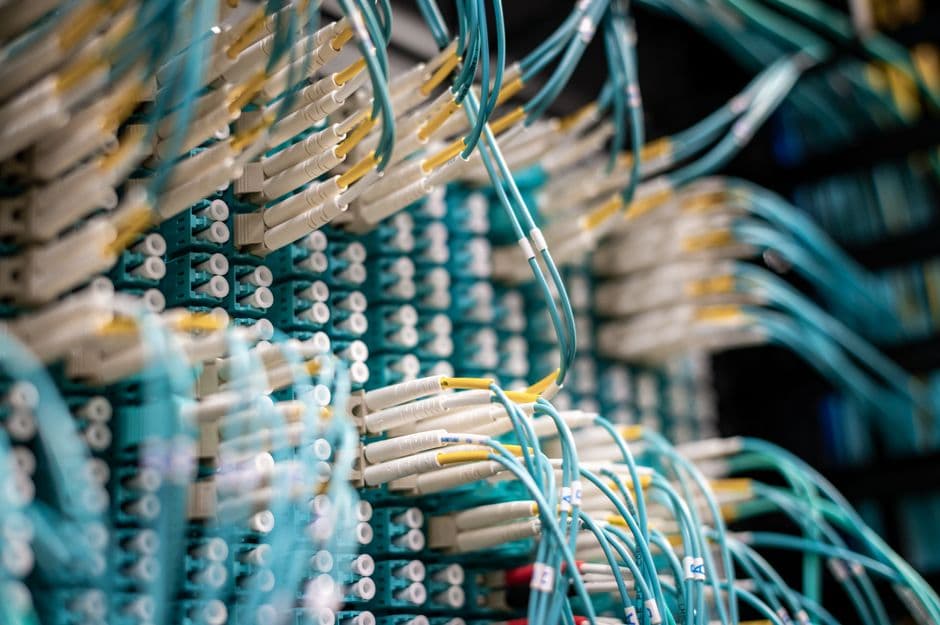
AI's insatiable appetite for electricity is straining power grids, forcing tough questions about sustainability, infrastructure, and the real cost of our AI-powered future.
I’ve been building computers since I was a kid, pulling apart beige boxes and figuring out how to cram more RAM into them. It’s always been about the components, the specs, the sheer horsepower. But lately, when I think about the sheer horsepower of modern AI, my mind drifts from the chips to the plug. Because AI, it turns out, is incredibly, outrageously thirsty for electricity.
The explosion of artificial intelligence isn't just about algorithms getting smarter; it's creating a voracious appetite for power that’s starting to test the limits of our electrical grids. We’re talking about data centers, the humming, air-conditioned fortresses that house the servers running all these AI models. These places are power hogs, and the more powerful AI gets, the more hungry they become.
This growing demand raises some pretty significant questions about sustainability, the need for massive infrastructure upgrades, and ultimately, the true cost of this AI-driven future we're all rushing towards. It’s not just about how fast a model can train or how quickly it can generate text; it’s about the raw energy it takes to make it all happen.
The Energy Footprint of Intelligence
It’s easy to think of AI as purely digital, existing in the ethereal cloud. But every bit of data processed, every calculation performed, every neural network trained, requires physical infrastructure powered by electricity. And that infrastructure is concentrated in massive data centers, which are essentially giant electricity consumers.
Consider a typical large language model training run. These aren't quick affairs. They can take weeks or even months, requiring thousands of high-powered GPUs (Graphics Processing Units) to work in tandem. Each GPU, and the associated server hardware, consumes a significant amount of power. Multiply that by the number of models being trained, refined, and deployed globally, and you start to see the scale of the problem.
According to a report by the International Energy Agency (IEA) in January 2024, the global electricity demand from data centers, cryptocurrencies, and artificial intelligence could double by 2026, reaching up to 8% of total global electricity consumption. That’s a massive jump. While the IEA acknowledges that efficiency improvements in hardware and cooling systems are ongoing, the sheer growth in AI applications is outstripping these gains.
This isn't just a hypothetical future scenario. Power utilities and grid operators are already feeling the strain. Regions with a high concentration of data centers are seeing their electricity demand surge, sometimes unexpectedly. This forces them to consider how to meet this demand, not just today, but for the projected growth ahead.
When Demand Outstrips Supply
The challenge is that our current electrical grids were designed for a different era of energy consumption. They’re built to handle peak loads, but the sustained, high demand from a growing number of AI-intensive operations presents a new kind of stress. It’s like trying to power a skyscraper with the wiring of a suburban house.
Utilities are facing a tough balancing act. They need to ensure reliability – keeping the lights on for homes and businesses – while also finding ways to power these new, incredibly demanding industrial users. This often means looking for new sources of power, and given the scale, it’s not as simple as just flipping a switch.
One significant concern is the reliance on fossil fuels. If the increased demand is met by existing power generation, which in many places still relies heavily on coal and natural gas, then the environmental benefits of AI could be offset by increased carbon emissions. This is a critical point: are we inadvertently powering our "smart" future with "dirty" energy?
Companies like NVIDIA, whose GPUs are central to AI development, are aware of this. Their roadmap, as discussed in industry circles, often includes considerations for power efficiency. However, the fundamental physics of computation means that more processing power will always require more energy.
The Infrastructure Tightrope Walk
So, what’s the solution? It’s not a single silver bullet, but a combination of strategies.
First, efficiency. As I mentioned, hardware and data center cooling are constantly improving. Better-designed servers, more efficient power delivery systems, and advanced cooling techniques can significantly reduce the energy footprint of each computation. This is the boring-but-reliable approach that makes a real difference.
Second, renewable energy sources. Many tech companies are committing to powering their operations with 100% renewable energy. This means investing in solar, wind, and other clean sources. However, building out this renewable infrastructure at the scale required for massive data center growth is a monumental task. It requires significant investment, land use, and time.
Third, grid modernization. Our electrical grids need upgrades. This involves investing in smarter grid technologies that can better manage demand and supply, incorporating more distributed energy resources, and improving transmission capacity. The US Department of Energy, for instance, has been emphasizing the need for grid modernization to support growing electrification trends, including data center expansion.
And fourth, strategic location. Data center developers are increasingly looking at locations with access to ample, affordable, and ideally, clean energy. This can lead to a geographic shift in where these facilities are built, and it also puts pressure on regional grid operators to prepare for concentrated demand.
The Price of Progress
The truth is, there's a trade-off. The incredible advancements we're seeing in AI – from medical research to climate modeling – come with a tangible energy cost. Ignoring this cost is like building a high-performance gaming PC and forgetting to factor in the electricity bill.
For those of us who love tech, who get excited about what AI can do, it's crucial to have an honest conversation about the energy demands. It’s not about halting progress, but about making informed decisions. It means pushing for greater efficiency, demanding cleaner energy sources, and supporting the necessary investments in our power infrastructure.
The future of AI is bright, but it’s also going to be powered. We need to make sure we have enough reliable, clean power to keep that future running. It’s the unglamorous, behind-the-scenes work that will truly define the sustainability of our AI-driven world.